 Skip to content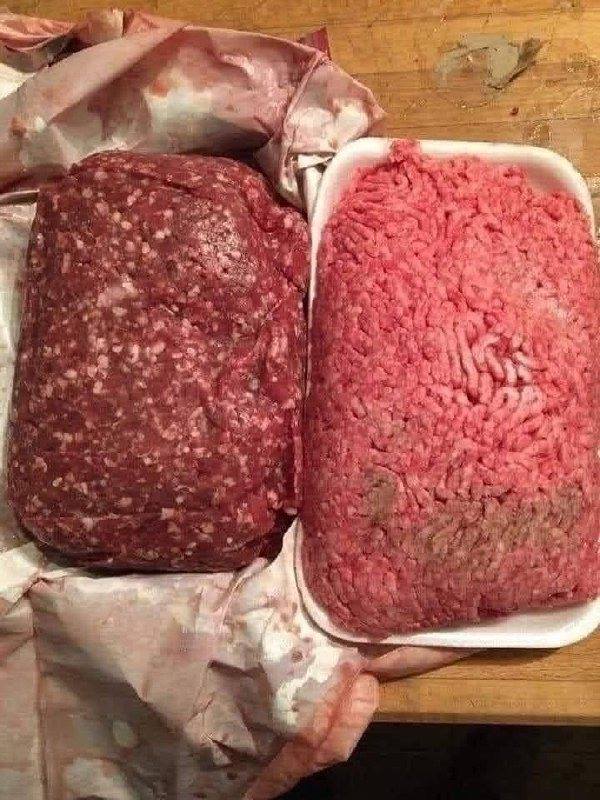
Instead of relying on fear-based claims, focus on practical shopping habits:
👀 1. Check packaging carefully
Look for expiration dates, storage instructions, and origin labels.
❄️ 2. Ensure proper cold chain
Avoid packages that are not properly chilled or sealed.
🧾 3. Understand certifications
Look for recognized food safety or quality standards.
🍽️ 4. Cook properly
Proper cooking temperature is essential for food safety.
🧠 WHY FOOD TRANSPARENCY MATTERS
Modern food systems are designed to ensure:
- Traceability (knowing where food comes from)
- Safety inspections
- Hygiene standards
- Consistent supply
While no system is perfect, supermarket food in most countries is heavily regulated to protect consumers.
⚠️ WHY FEAR-BASED CLAIMS SPREAD ONLINE
Posts suggesting hidden or suspicious meat sourcing often go viral because they:
- Use emotional language
- Lack scientific evidence
- Create fear and curiosity
👉 However, fear does not equal fact. Always rely on verified food safety information.
🌟 FINAL THOUGHTS
Supermarket meat is not a mystery product—it is part of a controlled and regulated food supply chain designed to ensure safety and availability.
Instead of worrying about viral claims, the best approach is to become an informed consumer who understands:
- Labels
- Storage methods
- Safe cooking practices
When you understand how food systems actually work, you can shop with confidence rather than confusion.