 Skip to content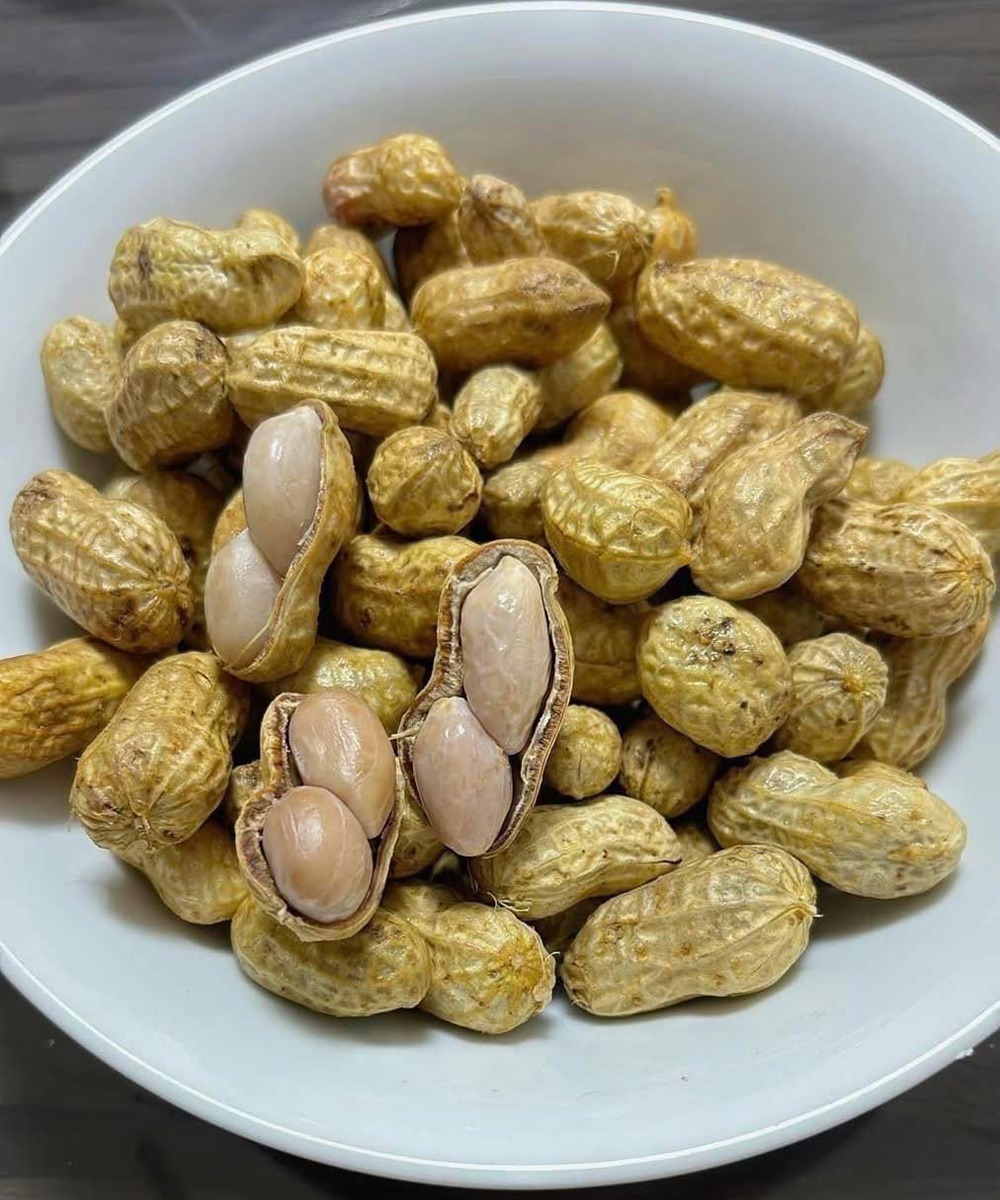
Peanuts are one of the most popular snacks in the world—affordable, tasty, and packed with nutrients. From peanut butter sandwiches to roasted snack mixes, they show up everywhere. But what do doctors actually say about eating peanuts regularly?
The answer isn’t as simple as “good” or “bad.” Like many foods, peanuts can have powerful benefits—but also some risks, depending on how and how much you consume.
Let’s break down what experts say might happen when peanuts become a regular part of your diet.
❤️ 1. Improved Heart Health (Yes, Really!)
Many doctors and nutrition experts agree: peanuts can be beneficial for your heart when eaten in moderation.
They are rich in:
- Healthy monounsaturated fats
- Magnesium
- Antioxidants
These nutrients may help:
- Lower “bad” cholesterol (LDL)
- Support healthy blood vessels
- Reduce inflammation
That’s why peanuts are often included in heart-friendly diets. A small handful a day could actually support cardiovascular health.
⚖️ 2. Weight Control—Not Weight Gain
It might sound surprising, but peanuts don’t automatically lead to weight gain. In fact, they can help with weight management.
Why?
- They are high in protein and fiber
- They keep you feeling full longer
- They may reduce overeating later in the day
Doctors often note that people who snack on nuts in controlled portions tend to have better appetite control.
However, portion size matters. Eating large quantities regularly can still lead to excess calorie intake.
🧠 3. Boosted Brain Function
Peanuts contain nutrients like vitamin E and niacin, which are important for brain health.
These compounds may help:
- Protect brain cells
- Support memory and focus
- Reduce oxidative stress
While peanuts aren’t a “magic brain food,” they can be part of a balanced diet that supports cognitive function over time.
⚠️ 4. Risk of Allergic Reactions