 Skip to content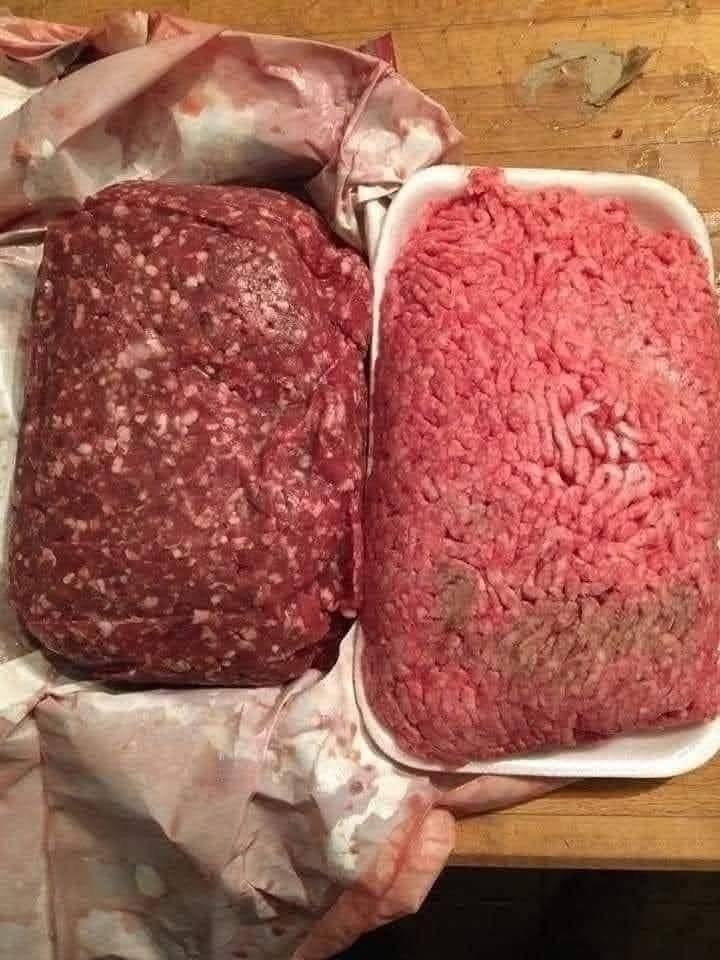
When you walk through the neatly organized aisles of your local supermarket, it’s easy to assume that everything on display is exactly what it claims to be—fresh, high-quality, and properly sourced. But according to food experts and industry insiders, the story behind the meat you buy may be more complex than you think.
This doesn’t mean supermarkets are “tricking” you in a dramatic or illegal way. However, marketing, labeling practices, and supply chains can sometimes create confusion, leading consumers to believe they are getting something different from what they actually purchase. Understanding how this works can help you make smarter, more informed choices.
The Reality of Meat Labeling
One of the biggest misconceptions revolves around labeling. Terms like “natural,” “farm fresh,” or “premium quality” sound reassuring—but they don’t always have strict, standardized definitions.
In many countries, labels are regulated, but some terms are still used loosely for marketing purposes. For example, “natural” may simply mean that the product has no artificial ingredients, but it doesn’t necessarily guarantee how the animal was raised or fed.
This can create a gap between what consumers think they’re buying and what they’re actually getting.
Where Your Meat Really Comes From
Most supermarket meat comes from large-scale industrial farms. These operations are designed to produce food efficiently and at scale, which helps keep prices relatively affordable for consumers.
However, this also means that the image of a small, family-run farm—often suggested by packaging—is not always an accurate reflection of the product’s origin.
That said, large-scale production doesn’t automatically mean poor quality. Many producers follow strict safety and quality regulations. The key issue is transparency, not necessarily safety.
“Fresh” vs. “Previously Frozen”
Another surprising detail is the difference between “fresh” and “previously frozen” meat. In some cases, meat may be frozen during transportation and then thawed before being placed on store shelves.
Depending on local regulations, this may still be labeled as fresh. While freezing is a safe and common preservation method, some consumers prefer to know whether their meat has been frozen at any point.
Added Solutions and Processing
Some cuts of meat are injected with solutions containing water, salt, or flavor enhancers. This process helps improve taste, tenderness, and shelf life—but it can also increase the product’s weight.
In simple terms, you might be paying for added water without realizing it. Labels often mention this in small print, using phrases like “contains up to X% added solution.”
Being aware of this can help you better understand the true value of what you’re buying.
Color Can Be Misleading
Many shoppers rely on color to judge freshness, but this can sometimes be misleading. Meat can be treated with packaging techniques that maintain a bright red appearance, even if it has been on the shelf for a while.
For example, oxygen exposure or modified atmosphere packaging can enhance color without affecting safety. While this isn’t harmful, it shows that appearance alone isn’t always a reliable indicator of freshness.
The Role of Supply Chains
Modern food supply chains are incredibly complex. Meat often travels long distances from processing facilities to distribution centers before reaching your local store.
This system ensures consistent availability, but it also means your food may have passed through multiple stages before reaching your plate. Understanding this can help you appreciate why transparency and labeling matter so much.
How to Make Smarter Choices