 Skip to content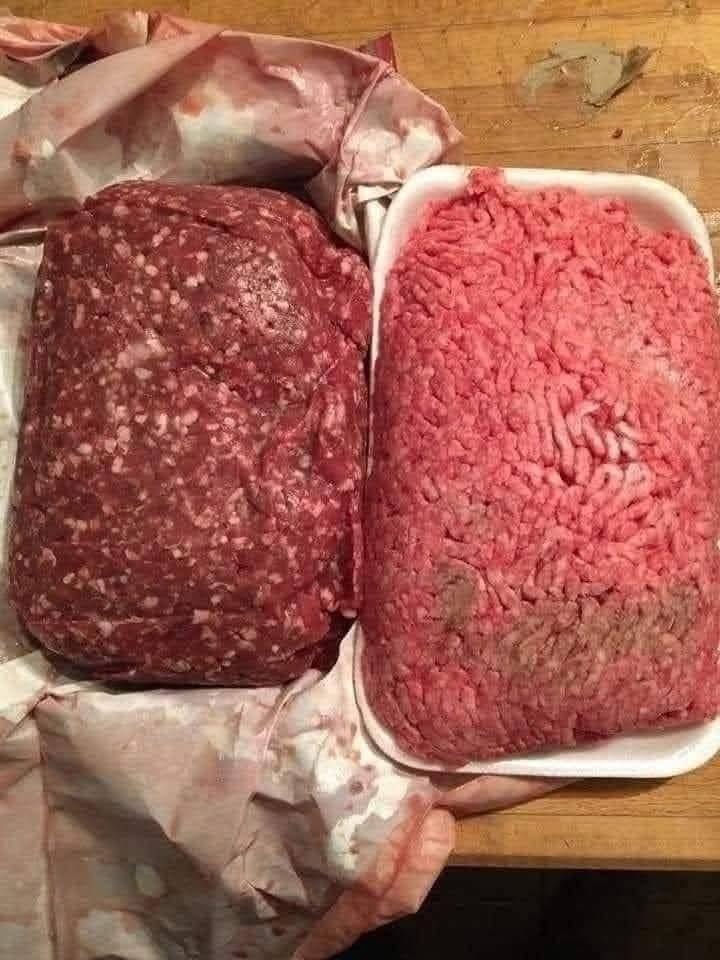
When you walk into a supermarket, everything looks clean, fresh, and carefully labeled. Packages of meat sit neatly on shelves under bright lights, often with words like “fresh,” “farm-raised,” or “premium quality.” But have you ever stopped for a moment and wondered—where does this meat actually come from, and what are you really buying?
The truth is more complex than most people realize. While supermarkets follow strict food safety regulations in many countries, the journey your meat takes before reaching your plate is often long, industrial, and heavily processed. Let’s uncover what’s really going on behind the scenes 👇
🏭 1. Most Meat Comes From Large Industrial Farms
A significant portion of supermarket meat does not come from small local farms. Instead, it comes from large-scale industrial farming systems often called “factory farms.”
These facilities are designed for mass production. Animals such as chickens, cows, and pigs are raised in controlled environments where efficiency is the top priority. The goal is to produce as much meat as possible in the shortest time.
While this system helps keep prices lower and ensures a steady supply, it also means most animals are raised in highly concentrated conditions rather than traditional open farms.
📦 2. The Journey From Farm to Shelf Is Long
By the time meat reaches the supermarket, it may have gone through multiple stages:
- Breeding and raising in farms
- Transport to slaughter facilities
- Processing and packaging plants
- Cold storage distribution centers
- Finally, supermarket shelves
This chain is carefully regulated to maintain safety, but it also means the “freshness” label can sometimes be misleading. Meat may have been processed days or even weeks before you see it in the store.
🧪 3. Additives and Preservation Methods Are Common
To keep meat looking fresh and extend shelf life, certain preservation techniques are often used. These may include controlled atmosphere packaging, freezing, and sometimes additives that help maintain color and texture.
For example, carbon monoxide packaging can help meat retain a bright red color, even as it ages. This doesn’t necessarily mean the meat is unsafe—it’s simply a method used to make products look more appealing to consumers.
However, many shoppers are unaware of these practices and assume the appearance of freshness equals recent slaughter.
🏷️ 4. Labels Can Be Confusing
Terms like “natural,” “farm fresh,” or “organic” can be misleading if you don’t understand what they truly mean. In many regions, these labels are regulated, but the definitions can still vary widely.
- “Natural” often does not mean hormone-free or chemical-free
- “Free-range” may only indicate limited outdoor access
- “Organic” has stricter standards but can still come from large-scale farms
This doesn’t mean labels are false—it means they can be interpreted differently depending on regulations.
🌍 5. Imported Meat Is Very Common