 Skip to content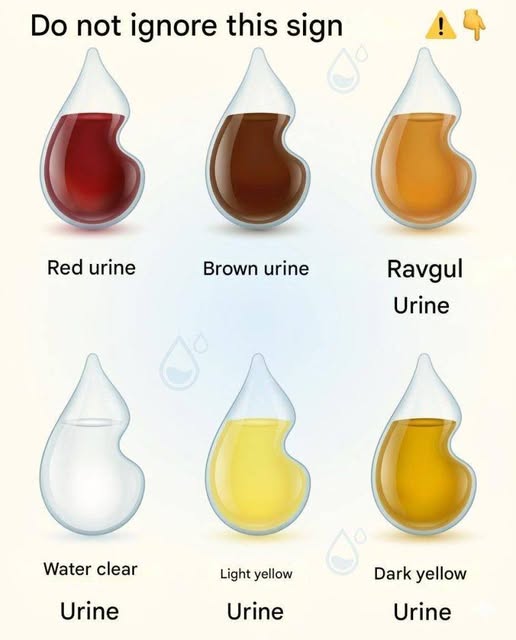
Seeing red or pink urine can be alarming—but it’s not always serious.
Sometimes, foods like beets or berries can temporarily change urine color. However, it could also indicate blood in the urine, which may be linked to infections, kidney issues, or other conditions.
If you haven’t eaten anything that could explain the color, it’s important to seek medical advice promptly.
🟤 Brown or Dark Cola — A Warning Sign
Brown urine may signal dehydration, but it can also point to liver or kidney concerns.
In some cases, it may be related to muscle breakdown or certain medications. This is not a color to ignore—especially if it appears suddenly or lasts more than a day.
🟢 Green or Blue — Rare but Possible
Unusual colors like green or blue are rare but can happen.
They’re often linked to food dyes, medications, or certain infections. While it might look strange, it’s not always dangerous—but if it persists, it’s best to check with a healthcare professional.
⚪ Cloudy or Milky — Possible Infection
Cloudy urine can indicate a urinary tract infection or the presence of minerals or bacteria.
It may also come with a strong odor or discomfort during urination. If you notice these symptoms together, it’s a good idea to get it checked.
💡 Why This Matters More Than You Think
Your body communicates in subtle ways—and urine color is one of the easiest signals to monitor. Unlike many health indicators, it doesn’t require tests or equipment. Just awareness.
By paying attention to these changes, you can:
- Catch dehydration early
- Notice potential infections
- Identify unusual changes before they become serious
It’s a simple habit that can have a powerful impact on your health.
⚠️ When Should You Be Concerned?