 Skip to content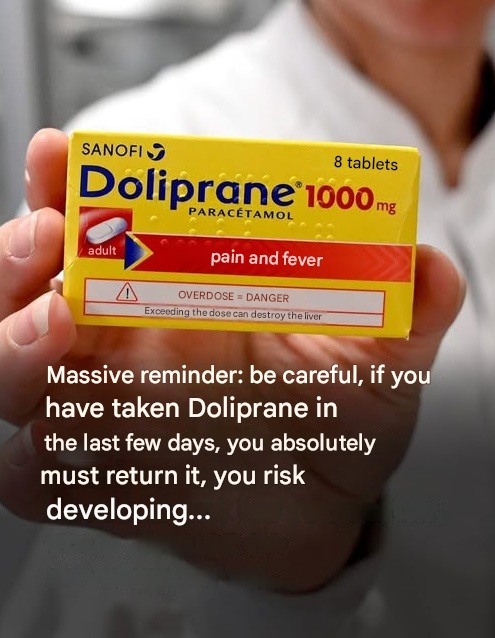
Social media posts are often designed to grab attention quickly. This is why many use words like:
- “URGENT”
- “IMMEDIATE WARNING”
- “MILLIONS AFFECTED”
- “SHARE BEFORE IT’S DELETED”
While these phrases sound serious, they are often used without any official verification.
Some common risks of viral health misinformation include:
- Unnecessary panic
- Stopping essential medication without medical advice
- Confusion about real vs fake alerts
- Delayed treatment due to fear
That’s why it is important to stay calm and always verify before reacting.
🔍 4. How to Check If a Medicine Has Been Recalled
If you are unsure about a medicine you recently took, follow these safe steps:
✔️ Step 1: Check Official Websites
Visit trusted health authority websites such as ANSM in France or your local health ministry.
✔️ Step 2: Look for Batch Numbers
Medicine recalls are usually linked to specific batch numbers, not entire medications. Check the packaging for details.
✔️ Step 3: Ask a Pharmacist
Pharmacists are trained professionals and can quickly confirm whether a medicine is safe or part of a recall.
✔️ Step 4: Consult a Doctor if Needed
If you experience unusual symptoms or side effects, speak to a healthcare professional immediately.
💊 5. Should You Stop Medication After Seeing a Warning?
No—never stop prescribed medication based only on social media posts.
Stopping treatment suddenly can:
- Worsen health conditions
- Cause withdrawal effects
- Create unnecessary complications
Always consult a doctor or pharmacist before making any changes.
🧾 6. How Official Drug Recalls Work
When a real issue is discovered, health authorities follow a structured process: