 Skip to content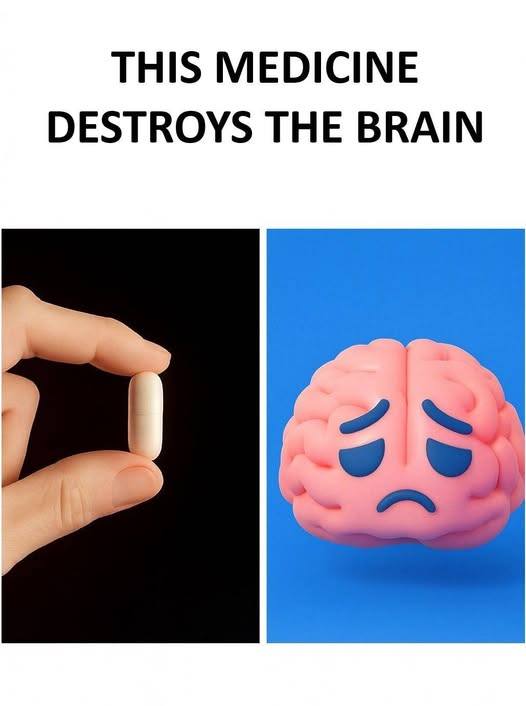
Often prescribed for short-term relief, muscle relaxants can also impact cognitive function.
Concerns include:
- Drowsiness
- Slowed thinking
- Reduced alertness
👉 These are generally not recommended for long-term use, especially in older adults.
⚠️ Why This Matters
The connection between certain medications and cognitive decline doesn’t mean you should stop taking them immediately. In fact, doing so can be dangerous.
Instead, the key is awareness. Understanding potential side effects helps you:
- Ask informed questions
- Explore safer alternatives
- Use medications more responsibly
✅ What You Should Do
If you’re concerned about memory or brain health:
- Review your medications with your doctor or pharmacist
- Avoid self-medicating, especially with over-the-counter drugs
- Use the lowest effective dose
- Monitor changes in memory or focus
- Never stop medication suddenly without medical advice
🧠 Protecting Your Brain Health
In addition to medication awareness, you can support your brain by:
- Staying physically active
- Eating a balanced, nutrient-rich diet
- Getting quality sleep
- Keeping your mind engaged (reading, puzzles, learning)
- Managing stress effectively
These habits can make a real difference over time.
🌟 Final Thoughts
Medications play an important role in managing health—but like all powerful tools, they must be used wisely. Some drugs may affect memory and cognitive function, especially with long-term use or in older adults.
The goal isn’t fear—it’s informed, responsible use. By staying aware and working closely with your healthcare provider, you can protect both your physical health and your brain.
✨ Remember: Knowledge is your best defense when it comes to protecting your mind and well-being.