 Skip to content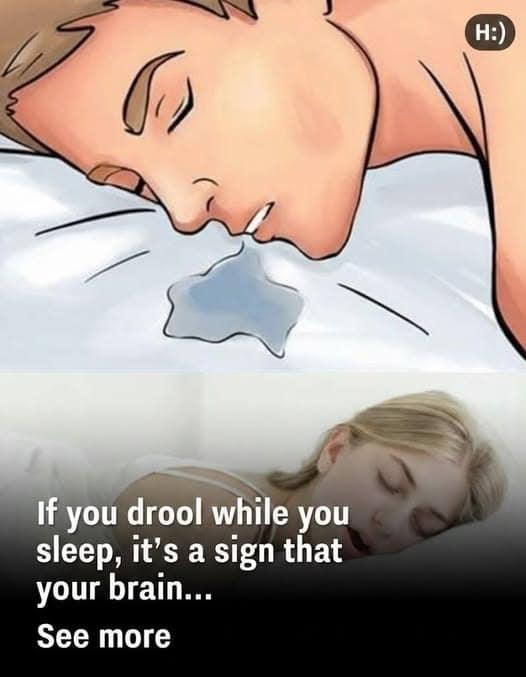
You may have seen viral posts claiming that drooling while sleeping is a sign that your brain is “shutting down” or that something is wrong neurologically.
Let’s clear that up:
👉 In most cases, drooling is NOT a sign of a brain problem.
However, your brain does play a role in regulating muscles and reflexes. So indirectly, drooling can reflect how your body—and brain—are functioning during sleep.
When It Could Be Related to the Brain
In rare cases, excessive or sudden drooling may be linked to neurological conditions that affect muscle control or swallowing. These include:
- Nerve-related disorders
- Conditions that affect facial muscles
- Sleep disorders that disrupt normal reflexes
But these situations are usually accompanied by other noticeable symptoms, not just drooling alone.
⚠️ When Should You Be Concerned?
Drooling during sleep is usually harmless—but there are times when it’s worth paying attention.
You should consider looking into it if:
- It starts suddenly and intensely
- It’s accompanied by difficulty swallowing
- You notice facial weakness or numbness
- You experience frequent choking or coughing during sleep
- It disrupts your sleep quality
In these cases, drooling might be a symptom of an underlying issue that needs proper evaluation.
🛌 Simple Ways to Reduce Drooling
If drooling bothers you, the good news is that there are easy ways to manage it:
✔️ Adjust Your Sleep Position
Sleeping on your back can help reduce the effect of gravity on saliva.
✔️ Clear Nasal Congestion
Treating allergies or sinus problems can reduce mouth breathing.
✔️ Stay Hydrated
Proper hydration helps regulate saliva consistency.
✔️ Improve Sleep Habits
Better sleep quality can help regulate your body’s natural reflexes.
🧠 The Surprising Upside