 Skip to content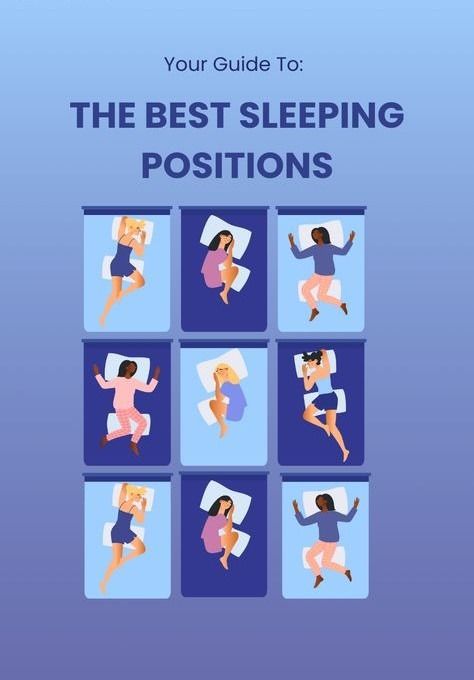
Sleeping on your stomach is one of the least recommended positions medically.
🌟 Possible short-term benefit:
- May reduce snoring in some cases
⚠️ Major downsides:
- Strains neck due to head rotation
- Puts pressure on spine and lower back
- Can cause long-term posture issues
- May reduce breathing efficiency
💡 If you must sleep this way:
Use a very thin pillow or none at all to reduce neck strain.
🧠 WHAT YOUR SLEEP POSITION MAY SAY ABOUT YOU
While not scientific diagnosis, some patterns are observed:
- Back sleepers → often seek balance and structure
- Side sleepers → often prioritize comfort and security
- Stomach sleepers → may prefer deep pressure or habit-based comfort
However, comfort and health should always come first—not personality theories.
🧩 HOW TO CHOOSE THE BEST POSITION FOR YOU
There is no “one perfect position” for everyone. The best choice depends on:
- Back or neck pain
- Breathing quality
- Digestive issues
- Pregnancy status
- Personal comfort
🌙 GENERAL TIPS FOR BETTER SLEEP QUALITY
Regardless of position, these habits improve sleep:
🕒 1. Consistent sleep schedule
Sleeping and waking at the same time helps regulate the body clock.
📵 2. Reduce screen exposure before bed
Blue light can delay melatonin production.
🛏️ 3. Use proper pillows
Neck support is essential for spinal alignment.
🌡️ 4. Comfortable room temperature
Cool environments often improve sleep quality.
🌟 FINAL THOUGHTS
Your sleeping position plays a bigger role in your health than most people realize. While back and side sleeping are generally considered the most beneficial, the best position is ultimately the one that allows you to sleep comfortably and wake up without pain.
Small changes—like adjusting pillow height or switching sides—can make a big difference over time.
Good sleep is not just about rest—it is about recovery, balance, and long-term health.
So tonight, pay attention to how you sleep… your body will thank you in the morning.