 Skip to content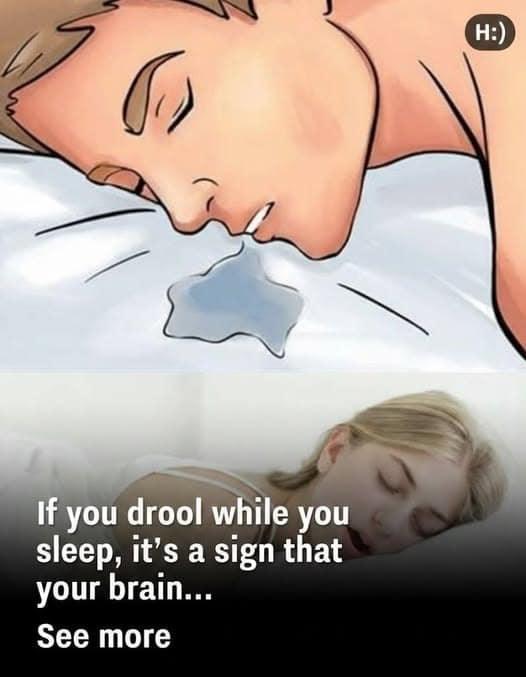
Occasional drooling is completely normal and usually harmless. However, if it happens frequently or is severe, it might be worth looking into.
You may want to pay attention if you also notice:
- Difficulty swallowing during the day
- Persistent mouth breathing
- Loud snoring or interrupted breathing
- Excessive daytime fatigue
These could point to issues like sleep disturbances or breathing problems that may need attention.
🛠️ Simple Ways to Reduce Drooling
If drooling bothers you, there are a few easy adjustments you can try:
- Change your sleeping position (try sleeping on your back)
- Keep your nasal passages clear before bed
- Use a supportive pillow to keep your head aligned
- Stay hydrated during the day
- Maintain good sleep habits
Small changes can often make a noticeable difference.
🌟 The Positive Side You Didn’t Expect
Here’s something reassuring: in many cases, drooling during sleep is actually a sign that your body is relaxing deeply enough to get proper rest.
And that’s something a lot of people struggle to achieve.
So instead of seeing it as something embarrassing, it can sometimes be viewed as a sign that your sleep is reaching a deeper, more restorative level.
💭 Final Thoughts
Drooling while you sleep isn’t something to worry about in most cases. It’s often a natural result of deep relaxation, your sleeping position, or minor physical factors.
Your brain isn’t malfunctioning—it’s doing exactly what it’s supposed to do: helping your body rest, recover, and recharge.
Of course, if it becomes frequent or uncomfortable, it’s always a good idea to pay attention and make small adjustments.
But for most people, it’s just one of those little quirks of sleep that’s far more normal than it seems.
So the next time you wake up and notice it, don’t panic—your body might just be telling you that you had a really good night’s sleep. 🌙