 Skip to content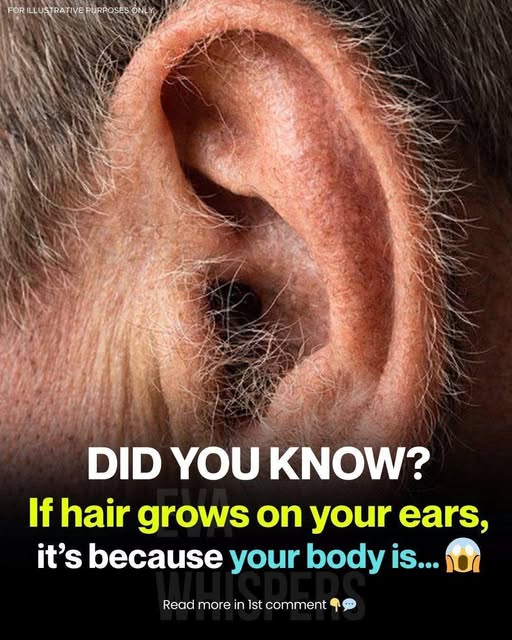
There are many viral claims online about ear hair. Let’s clear them up:
❌ Myth: Ear hair means serious disease
👉 Fact: There is no strong scientific evidence linking ear hair to major diseases.
❌ Myth: It means your body is “toxic” or unhealthy
👉 Fact: Ear hair is mostly related to aging and genetics, not toxins.
❌ Myth: Only men get ear hair
👉 Fact: Women can also develop it, though it’s usually less noticeable.
🧴 Should You Remove Ear Hair?
This is a personal choice, but many people prefer grooming for comfort or appearance.
Safe options include:
- Electric ear trimmers
- Small grooming scissors (with care)
- Professional grooming services
💡 Avoid using sharp objects deep inside the ear to prevent injury.
🩺 When Should You Be Concerned?
Ear hair itself is harmless, but you should consult a doctor if you notice:
- Sudden, excessive hair growth in unusual patterns
- Pain, itching, or infection in the ear
- Changes in hearing
These symptoms are not caused by hair itself, but may indicate other issues.
🌟 Fun Facts About Ear Hair
- Ear and nose hair tend to grow more as scalp hair thins
- Hair growth cycles change with age, making some hairs grow longer
- Ear hair is part of the body’s natural filtration system
🏁 Final Thoughts
If hair grows on your ears, it doesn’t mean something is wrong—it usually means your body is aging naturally, responding to hormones, and following your genetic blueprint.
Instead of worrying, think of it as a normal biological change that happens to many people over time. With simple grooming and awareness, it’s easy to manage and nothing to fear.