 Skip to content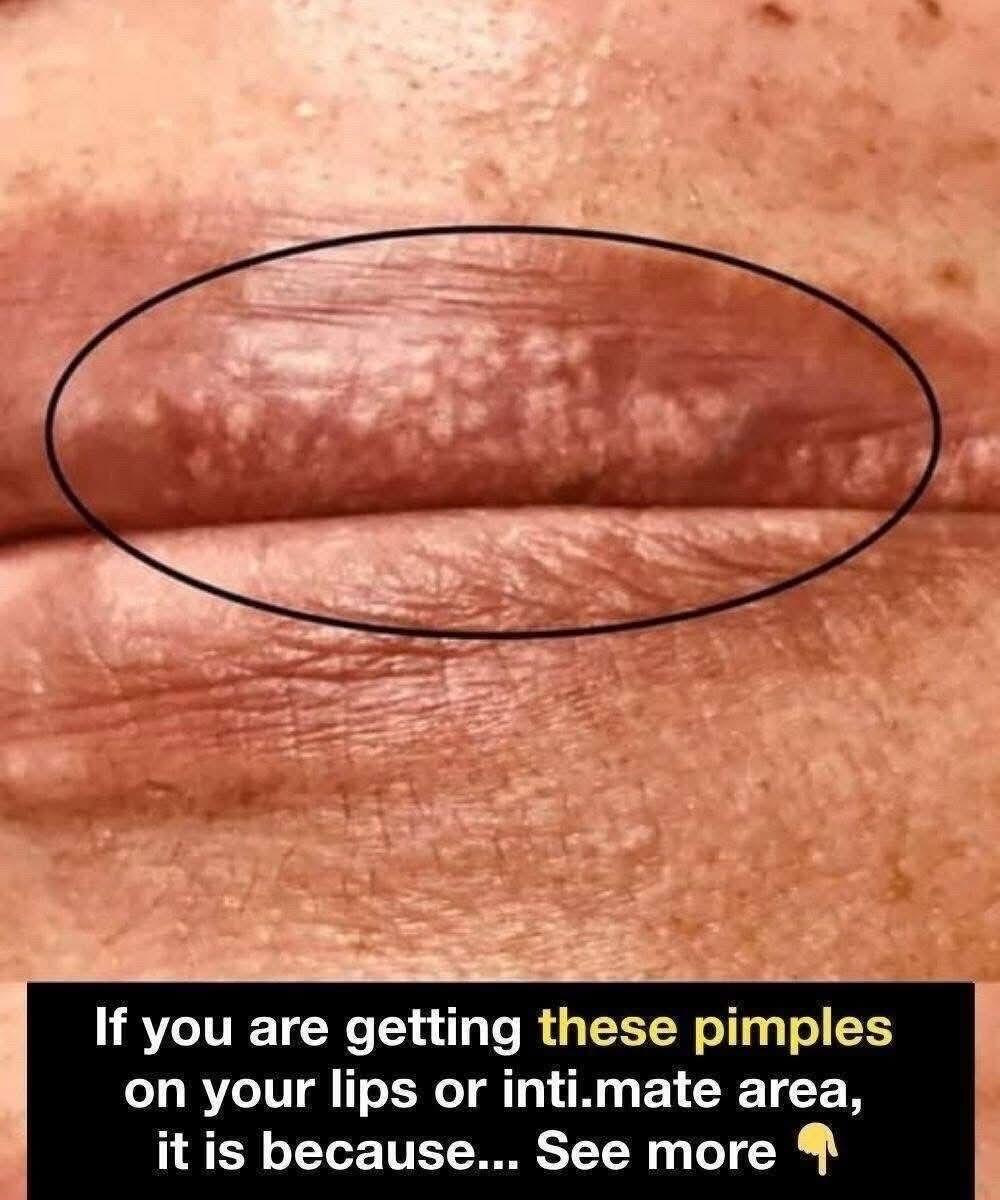
Here’s a closer look at what could be causing those bumps:
- Acne or Folliculitis
- Caused by infected hair follicles
- Usually red, sometimes filled with pus
- Can appear on the lips, pubic area, or inner thighs
- Cold Sores (Herpes Simplex Virus)
- Appear as clusters of painful blisters on lips or genital areas
- Often triggered by stress, illness, or hormonal changes
- Highly contagious
- Fordyce Spots
- Tiny, painless, white or yellowish bumps
- Naturally occurring oil glands
- Harmless and do not require treatment
- Ingrown Hairs
- Result from shaving or waxing
- Can cause red, itchy, or tender bumps
- Genital Warts
- Caused by certain strains of human papillomavirus (HPV)
- Often painless but contagious
- Should be checked by a doctor
Risk Factors That Make Pimples More Likely
Several lifestyle and environmental factors can increase the risk of pimples in these delicate areas:
- Poor hygiene – Not washing properly can cause bacterial buildup.
- Tight or non-breathable clothing – Traps sweat and oil, irritating the skin.
- Excessive friction – Exercise, cycling, or sexual activity can trigger bumps.
- Stress and hormones – High stress levels can worsen pimples or trigger outbreaks.
By addressing these risk factors, you can often reduce the frequency of pimples in sensitive areas.
How to Treat Pimples Safely
Doctors advise gentle care for these sensitive areas:
- Clean Gently – Use a mild, fragrance-free soap or intimate wash. Avoid scrubbing harshly.
- Topical Treatments – For acne, use benzoyl peroxide or salicylic acid sparingly.
- Avoid Picking or Squeezing – This can worsen inflammation or cause infection.
- Warm Compress – Reduces pain and encourages healing of inflamed pimples.
- Consult a Doctor for Persistent or Painful Bumps – Especially if you suspect STIs, cold sores, or unusual growths.
Prevention Tips for Sensitive Areas
- Wear Breathable Fabrics – Cotton underwear and loose-fitting clothes prevent friction and moisture buildup.
- Shave Carefully – Use a clean razor and shaving gel. Shave in the direction of hair growth.
- Moisturize – Keep the skin soft with gentle, non-comedogenic creams.
- Maintain Good Hygiene – Regular washing and changing clothes after sweating can prevent pimples.
- Manage Stress – Meditation, exercise, or proper sleep can reduce hormonal triggers.
When to See a Doctor