 Skip to content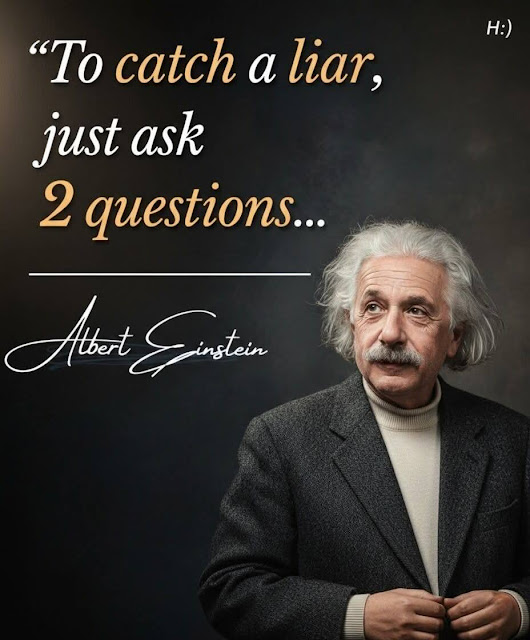
We’ve all encountered people who aren’t entirely honest. Whether it’s in the workplace, among friends, or even family, detecting lies can save you from being misled or manipulated. While no method is foolproof, psychological research and expert tips show that certain questions reveal more than others.
In this article, we’ll explore the key question that can help you spot dishonesty, why it works, and how to read subtle signs that indicate lying.
1️⃣ The Power of the Right Question
Experts suggest that to catch a liar, you should ask a question that forces them to provide specific details. The classic go-to is:
“Can you tell me exactly what happened, step by step?”
Why it works:
- Honest people can recall events naturally and in order.
- Liars often struggle to provide consistent, detailed stories.
- Vague or inconsistent answers are red flags.
This approach isn’t about interrogation—it’s about encouraging narrative transparency.
2️⃣ Why Liars Struggle With Details
Lying is mentally taxing. When someone fabricates a story:
- They must remember what they said before to stay consistent.
- They often avoid unnecessary details to minimize contradictions.
- Stress or cognitive load can make their body language and speech patterns inconsistent.
Tip: Pay attention not only to what they say but how they say it. Hesitations, long pauses, or changing the story can indicate dishonesty.
3️⃣ Observe Verbal Clues
Liars often give away subtle hints in their speech:
- Over-explaining – giving too many details to sound convincing
- Avoiding first-person pronouns – distancing themselves from the lie
- Contradictions – minor inconsistencies between statements
Asking for step-by-step details exposes these clues naturally.
4️⃣ Watch Body Language