 Skip to content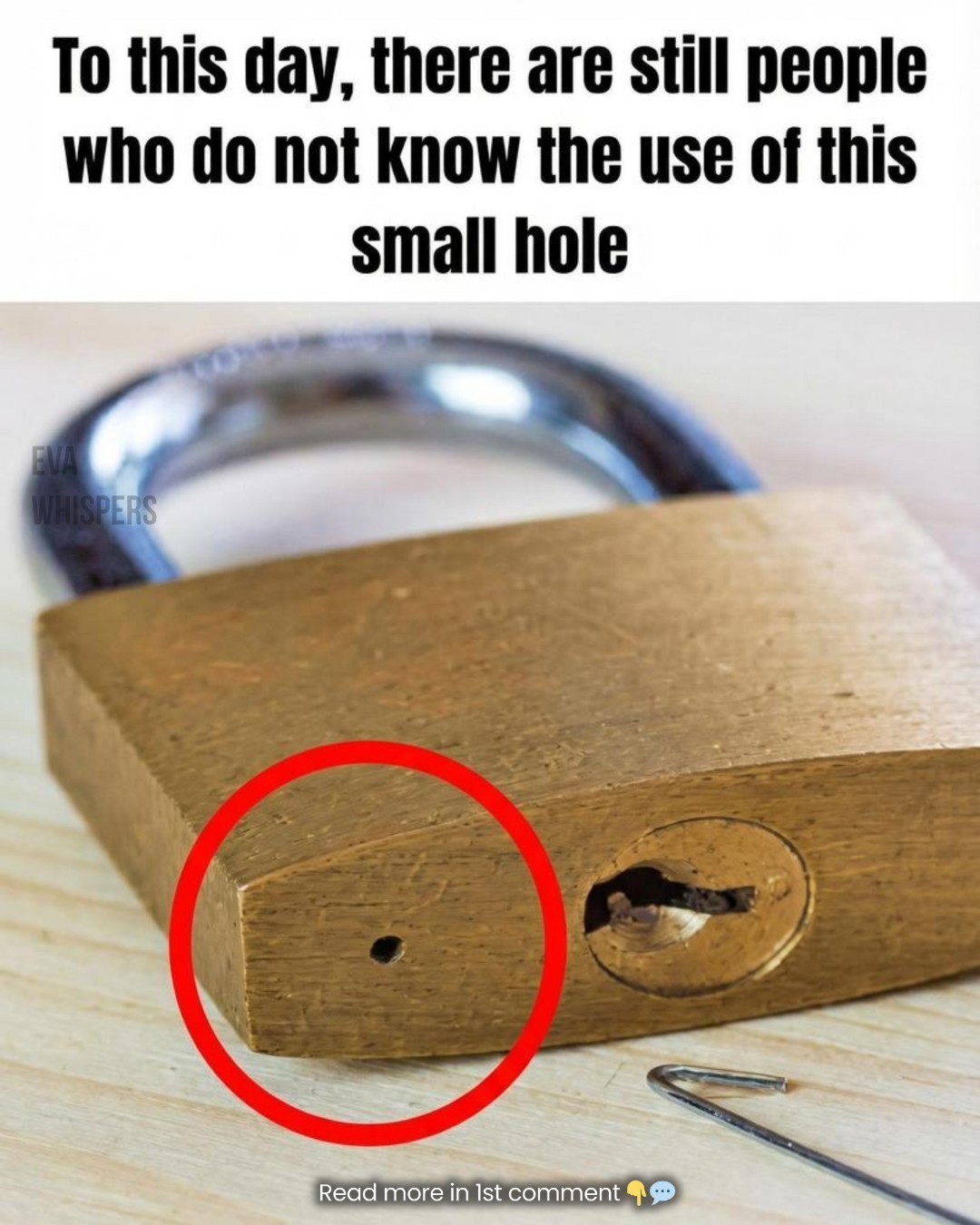
We often walk past tiny details in everyday objects without giving them a second thought. A small hole in a wall, a device, a window frame, or even household appliances can look meaningless—or even like a manufacturing defect. But in many cases, these “small holes” have very specific and important functions.
Let’s explore what these small holes are usually designed for, and why they are actually essential in daily life.
🧠 1. AIRFLOW AND VENTILATION CONTROL
One of the most common reasons for small holes in objects is air circulation.
You’ll often find them in:
- Electronics
- Kitchen appliances
- Windows and doors
🌬️ Why it matters:
These holes allow:
- Heat to escape
- Air to circulate
- Devices to avoid overheating
Without them, many machines would simply stop working or get damaged quickly.
👉 So what looks like a “tiny hole” is actually a built-in cooling system.
🔧 2. DRAINAGE AND WATER RELEASE
Small holes are also used for water drainage.
You can see them in:
- Balcony railings
- Window frames
- Shower doors
- Outdoor furniture
💧 Why they exist:
They prevent:
- Water accumulation
- Rust and corrosion
- Structural damage over time
Even a few drops of trapped water can cause long-term problems if not properly drained.
🔒 3. LOCKING OR SECURITY PURPOSES
Some small holes are part of security mechanisms.
Examples include:
- Padlock holes in luggage or lockers
- Reset holes in electronic devices
- Safety pin holes in equipment
🔐 Function:
They allow:
- Locking mechanisms to secure items
- Emergency resets using a pin or tool
- Additional safety control
👉 These tiny features are often critical for protection and safety.
🧰 4. MANUFACTURING OR ASSEMBLY PURPOSES
Many small holes exist because of how things are made.
During production, holes may be used for:
- Aligning parts during assembly
- Screwing components together
- Holding items in place during manufacturing
Once production is complete, the hole remains—but its function has already been fulfilled.
📡 5. SOUND OR SENSOR FUNCTION (MODERN DEVICES)
In modern technology, small holes are often microphone or sensor openings.
You’ll find them in:
- Smartphones
- Laptops
- Smartwatches
🎤 Why they matter:
They allow:
- Sound to enter microphones clearly
- Sensors to detect pressure or light
- Devices to function accurately
👉 Without these tiny openings, your devices would not “hear” or respond properly.
🪟 6. PRESSURE BALANCE AND SAFETY
Some small holes help balance air pressure.
This is especially important in:
- Airplane cabins (tiny vents in systems)
- Sealed containers
- Gas or liquid systems
⚖️ Why it matters:
They prevent:
- Pressure buildup
- Explosions or deformation
- Structural stress
Even the smallest hole can play a life-saving role in engineering.
🧠 WHY WE OFTEN IGNORE THEM