 Skip to content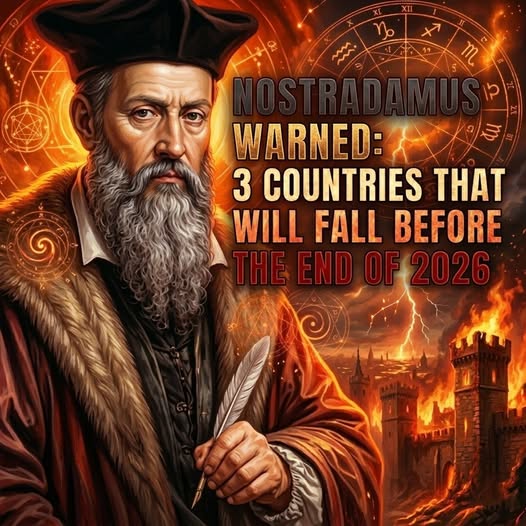
Even intelligent people can be influenced by prophecy claims because of psychology:
🧩 Confirmation bias
We remember “hits” and ignore “misses.”
🔍 Pattern recognition
The brain tries to connect unrelated events into meaning.
😨 Fear effect
Negative predictions feel more urgent and believable.
This combination makes prophecy content very powerful online.
🌿 What we can learn from this
Instead of focusing on fear-based predictions, there is a more useful lesson:
👉 The future is uncertain
👉 History is shaped by real-world actions, not prophecies
👉 Critical thinking is more powerful than speculation
The world does face real challenges—economic, political, environmental—but these are understood through data, not cryptic centuries-old writings.
🧠 How to read viral prophecy claims safely
Before believing or sharing such posts, ask:
✔️ Is there a reliable source?
✔️ Does it come from verified historical research?
✔️ Or is it social media interpretation?
✔️ Is it designed to scare or inform?
Most viral “predictions” fail this basic check.
🌍 Final thoughts
Nostradamus remains one of history’s most mysterious figures, but his writings are not a roadmap of future world events.
The claim that he predicted “3 countries falling before 2026” is not supported by historical evidence. It is part of a long pattern of modern reinterpretations that turn vague poetry into dramatic headlines.
The truth is simple:
👉 Prophecies are open to interpretation
👉 Fear spreads faster than facts online
👉 Real-world events are shaped by human decisions, not ancient predictions
So instead of focusing on fear-driven predictions, it is always better to stay informed through reliable sources and think critically about what we read online.