 Skip to content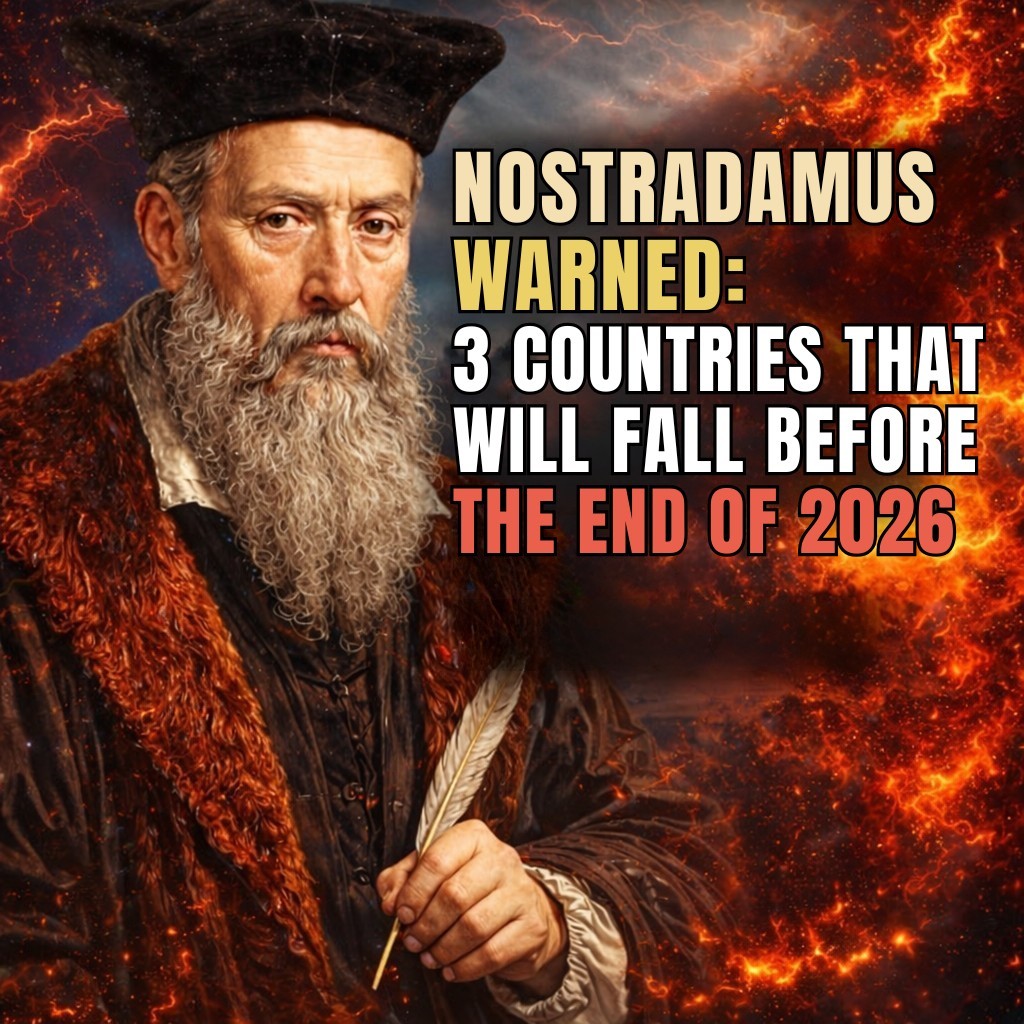
Scholars studying Les Prophéties generally agree on several key points:
- The text is intentionally poetic and ambiguous
- It reflects Renaissance-era beliefs about astrology and fate
- It was not written in a scientific forecasting method
- Many “accurate predictions” are retroactive interpretations
This doesn’t stop people from being fascinated—but it does change how his work should be understood.
🌐 Why Interest in Nostradamus Keeps Returning
Every few years, Nostradamus becomes popular again online. Why?
Because his writings tend to resurface during uncertain times:
- Political changes
- Economic instability
- Global crises
- Technological shifts
When the world feels unpredictable, people naturally look for patterns—and Nostradamus offers a mysterious framework that seems to “fit” many situations.
⚖️ Belief vs Interpretation
It’s important to distinguish between:
- 🔮 Belief: thinking Nostradamus literally predicted future events
- 📖 Interpretation: analyzing symbolic poetry and connecting it to modern situations
Most historians lean strongly toward the second.
🌟 The Bottom Line
Nostradamus remains one of the most intriguing figures in historical literature, but his so-called predictions are best understood as poetic, symbolic writings rather than precise forecasts.
The three commonly discussed interpretations—global tension, environmental changes, and conflict—reflect modern concerns more than verified prophecy.
💬 Final Thought
Nostradamus continues to fascinate not because his predictions are clear, but because they are open-ended enough to mirror almost any era.
And perhaps that is the real mystery—not what he predicted… but why each generation sees its own reflection in his words. 🔮