 Skip to content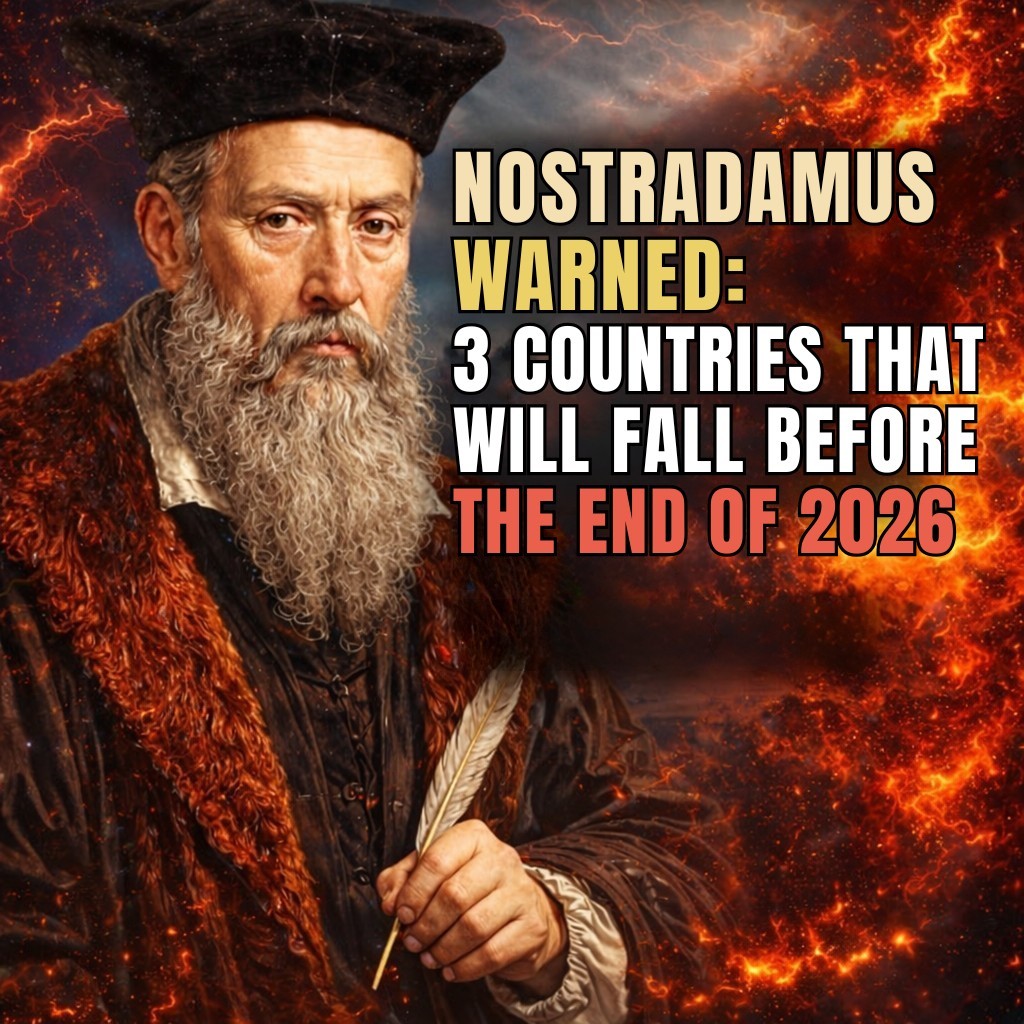
🧠 Who Was Nostradamus?
Nostradamus was a 16th-century French astrologer, physician, and writer best known for his book Les Prophéties, published in 1555.
In this collection, he wrote hundreds of short poetic verses called “quatrains,” which many people believe contain predictions about future world events.
However, it’s important to note that his writings are cryptic, symbolic, and open to interpretation, which is why different generations keep linking them to modern events.
⚠️ Important Context Before We Begin
Nostradamus did not write clear, direct predictions. His texts:
- Are highly metaphorical
- Lack precise dates or locations
- Can be interpreted in multiple ways
Because of this, historians and scholars often say that interpretations are subjective, and many “predictions” are made after events occur.
Still, his work continues to fascinate people worldwide.
🔥 1. Interpretation: Rising Global Conflicts and Tensions
Some readers interpret certain quatrains as references to increasing global instability, including:
- political conflicts
- wars between major powers
- social unrest
In these interpretations, symbolic phrases like “great wars” or “bloody battles” are often linked to modern geopolitical tensions.
Some also connect these ideas to technological warfare and digital conflict in today’s world.
📌 However, these interpretations are broad and can fit many historical periods, not just the present.
🌊 2. Interpretation: Natural Disasters and Climate Events
Another common interpretation suggests that Nostradamus referenced major environmental disruptions, such as:
- floods
- earthquakes
- extreme weather patterns
Modern readers sometimes link these ideas to increasing concerns about climate change, rising sea levels, and natural disasters happening more frequently in recent decades.
Because his writing often uses symbolic language like “fire from the sky” or “rising waters,” these phrases are frequently adapted to modern environmental narratives.
📌 Still, these descriptions are not scientifically specific and are open to wide interpretation.
🧬 3. Interpretation: Advances in Science and Human Transformation