 Skip to content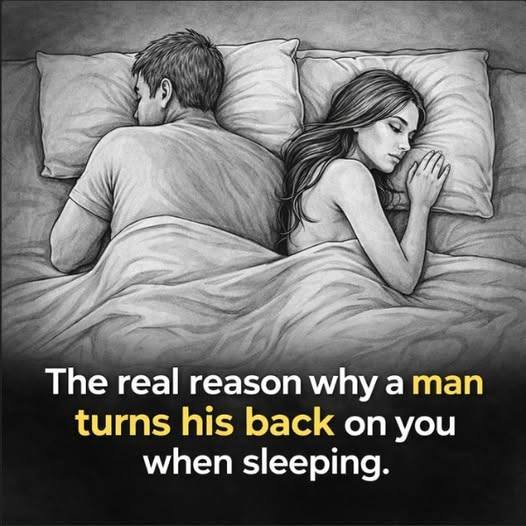
Social media loves turning small, everyday behaviors into dramatic “relationship signs.” One of the most viral claims is: “If your partner sleeps with their back turned to you, it means they are losing love or hiding something.”
But is that actually true?
The short answer: no—sleep position alone does NOT determine love, loyalty, or emotional distance.
Let’s break it down in a realistic, relationship-healthy way.
🧠 First: What Does Sleeping Position Really Mean?
Sleep posture is influenced mostly by:
- Comfort
- Body temperature
- Sleep quality
- Muscle relaxation
- Mattress space
- Habit
Not emotional intention.
People often change positions many times during the night without even realizing it.
👉 So a turned back during sleep is usually just a physical comfort choice, not a relationship message.
😴 Why People Sleep Facing Away
There are several normal, non-emotional reasons:
🌡️ 1. Temperature regulation
People often turn away to avoid heat or improve airflow.
🛌 2. Better sleep comfort
Side sleeping or facing away can reduce pressure on the body and improve sleep quality.
🧠 3. Habit and subconscious movement
During sleep, the brain is not making emotional decisions. The body moves automatically.
💤 4. Space and mattress position
Sometimes there is simply more comfortable space on one side of the bed.
❤️ What It DOES NOT Mean
Let’s clear up common myths:
❌ It does NOT mean your partner stopped loving you
❌ It does NOT mean they are hiding something
❌ It does NOT mean emotional distance automatically
❌ It does NOT predict relationship problems
Sleep behavior is not a communication language.
🧠 What Psychology Actually Says
Relationship experts emphasize that healthy relationships are not judged by sleep positions, but by:
- Communication
- Trust
- Emotional support
- Respect
- Daily behavior while awake
Sleeping posture is not part of emotional expression—it is part of physical rest.
Even in close relationships, partners often sleep in different positions without any emotional meaning.
💔 Why This Myth Spreads Online
This idea goes viral because:
- It sounds emotionally meaningful
- It creates curiosity and fear
- It encourages overthinking
- It turns normal behavior into “signs”
But in reality, this is a classic example of over-interpretation of neutral behavior.
🧠 The Real Relationship Insight