 Skip to content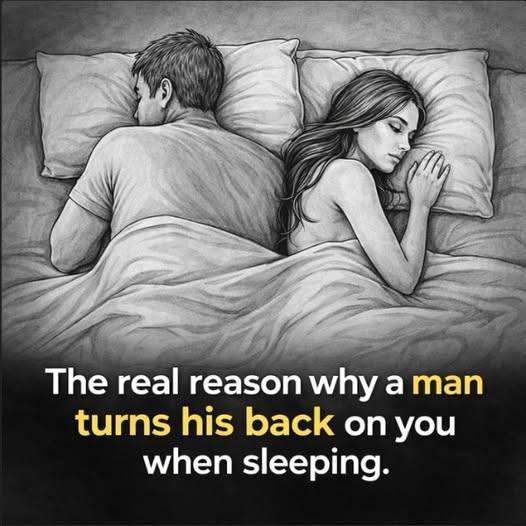
Daily life has a big impact on sleep behavior:
- Work stress
- Mental fatigue
- Sleep disorders or discomfort
- Phone usage before bed
- Random unconscious movement
A partner may turn away simply because they are exhausted and unconsciously adjusting for deeper sleep.
🛏️ 6. Physical Health or Pain Can Influence Position
Sometimes sleep posture is influenced by:
- Back or shoulder pain
- Pregnancy
- Breathing comfort
- Joint stiffness
- Mattress or pillow preferences
In these cases, turning away is about reducing discomfort—not emotional distance.
💬 7. When It Might Be Emotional (Rare but Possible)
While most cases are completely normal, changes in sleep behavior combined with other signs may reflect emotional distance, such as:
- Sudden lack of affection during the day
- Reduced communication
- Avoidance of closeness in general
- Ongoing conflict or unresolved issues
But sleep position alone is never enough to conclude anything meaningful.
🌿 Final Thoughts
If your partner turns their back while sleeping, it usually means one simple thing: they are trying to sleep comfortably.
It does not automatically signal rejection, anger, or emotional distance.
Healthy relationships are not defined by how people sleep—they are defined by how they:
- Communicate during the day
- Support each other emotionally
- Resolve conflicts
- Build trust over time
Sometimes the most meaningful love is not in constant physical contact—but in feeling safe enough to rest naturally, even in silence.