 Skip to content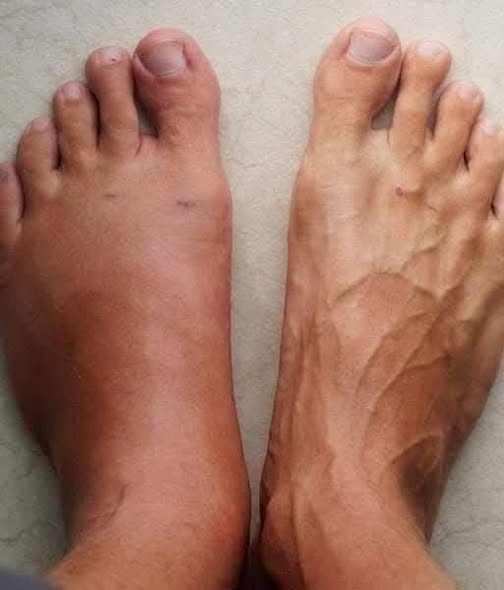
Swelling can sometimes be a medical emergency. Go to the ER immediately if you experience:
- Shortness of breath or chest pain
- Sudden facial, lip, tongue, or throat swelling
- Red, hot, or extremely painful swelling in a limb (possible blood clot)
- Abdominal swelling with nausea, vomiting, or confusion
🏋️♂️ Lifestyle Tips to Prevent or Reduce Swelling
Even with medical care, certain habits can help reduce swelling naturally:
- Stay Active: Regular movement improves circulation.
- Elevate Affected Limbs: Reduces fluid accumulation in the legs and feet.
- Reduce Salt Intake: High sodium contributes to water retention.
- Stay Hydrated: Helps maintain proper fluid balance.
- Wear Compression Garments: For chronic leg swelling or varicose veins.
🌟 Fun Facts About Swelling
- Swelling is your body’s natural warning system, signaling that something may need attention.
- Temporary swelling is extremely common after exercise, heat, or minor injuries.
- Edema can be localized (one area) or generalized (throughout the body) depending on the underlying cause.
🏁 Key Takeaway
Swelling is not just a cosmetic issue—it can reveal important clues about your heart, kidneys, liver, hormones, or skin health. The type, location, and severity of swelling determine which specialist you should consult:
- Start with a Primary Care Physician for evaluation
- Cardiologist, Nephrologist, or Hepatologist for organ-related issues
- Dermatologist, Orthopedic, or Allergist for skin, injury, or allergy-related swelling
Always pay attention to accompanying symptoms, and seek immediate care if swelling is sudden, painful, or affecting breathing.
Taking the right action early can prevent complications and improve your quality of life.