 Skip to content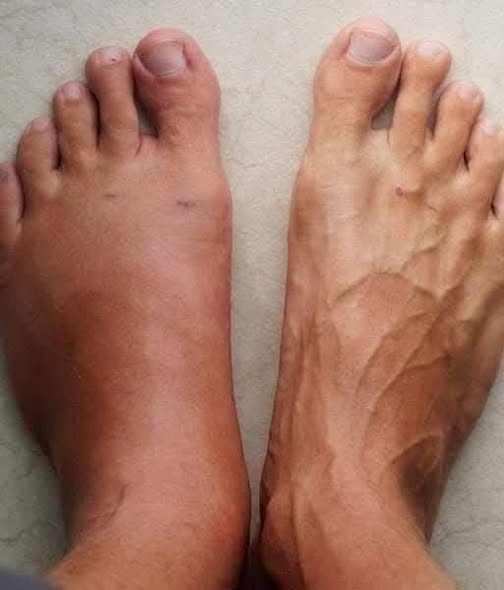
Swelling—also called edema—is a common symptom that can happen for many reasons. From your feet and ankles to your hands, face, or even your abdomen, swelling can be mild and temporary or a warning sign of a serious health issue. Knowing who to consult and when can make a big difference in your health and prevent complications.
In this guide, we’ll break down the causes of swelling, which specialists to see, warning signs, and practical tips to manage or prevent it.
🧬 What Causes Swelling?
Swelling happens when fluid builds up in tissues, causing puffiness or enlargement of a body part. Some common causes include:
- Injury or Trauma – Sprains, fractures, or bruises often lead to localized swelling.
- Inflammation or Infection – Skin infections, joint inflammation, or abscesses can make areas swell.
- Allergic Reactions – Sudden swelling of lips, face, tongue, or throat can occur after exposure to allergens.
- Heart, Kidney, or Liver Issues – Chronic diseases can cause fluid retention in legs, feet, or abdomen.
- Hormonal Changes – Thyroid problems, pregnancy, or certain medications may lead to swelling.
- Lifestyle Factors – Long periods of sitting, standing, or high salt intake can trigger temporary swelling.
Understanding the type and location of swelling is key to knowing which doctor or specialist to consult.
🩺 Who to Consult: A Specialist Guide
1️⃣ Start With Your Primary Care Physician (PCP)
- Role: Your PCP is the first line of defense. They can evaluate your symptoms, check your vital signs, and order tests if necessary.
- Best For: Mild or unexplained swelling, recurring puffiness, or swelling with minor discomfort.
- Tests They May Order: Blood tests, urine tests, ultrasound, or X-rays.
2️⃣ Cardiologist – Heart-Related Swelling
- When to Consult: Swelling in the legs, ankles, or feet, especially if it comes with shortness of breath, fatigue, or chest discomfort.
- Why: These may be signs of heart failure or poor circulation.
- What They Do: Evaluate heart function, order echocardiograms, or adjust medications.
3️⃣ Nephrologist – Kidney-Related Swelling
- When to Consult: Swelling in hands, feet, or around the eyes, particularly if accompanied by changes in urine output or foamy urine.
- Why: Kidney issues can cause fluid retention and imbalance in electrolytes.
- What They Do: Test kidney function through blood and urine tests, and provide treatment for conditions like chronic kidney disease.
4️⃣ Hepatologist – Liver-Related Swelling
- When to Consult: Swelling in the abdomen (ascites) or lower limbs, often with yellowing of the skin or eyes.
- Why: Liver conditions like cirrhosis can cause fluid buildup.
- What They Do: Diagnose liver disease and guide treatment, sometimes including medication or dietary changes.