 Skip to content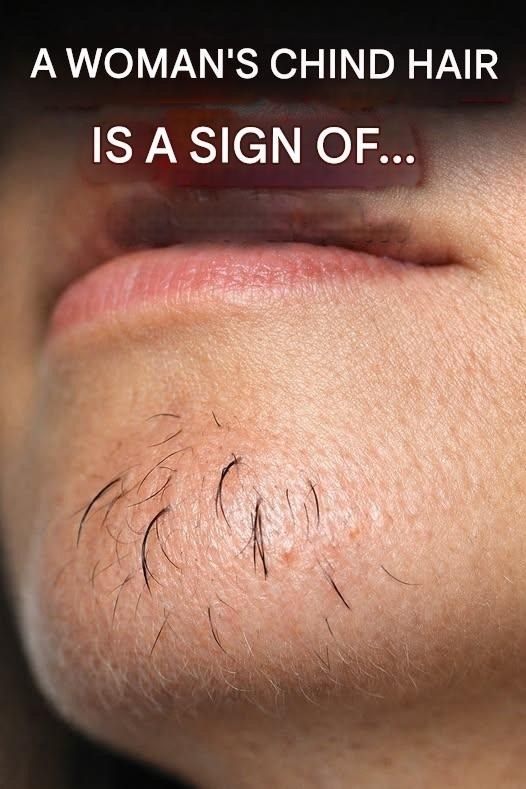
While chin hair is usually harmless, there are certain situations where it may be worth consulting a healthcare professional.
Pay attention if you notice:
- Sudden or rapid increase in facial hair
- Other symptoms like irregular periods or severe acne
- Changes in voice or muscle mass
- Unexplained weight changes
In such cases, it may be helpful to check hormone levels to rule out underlying conditions like hormonal imbalance or endocrine disorders.
Myths vs Reality
There are many myths surrounding facial hair in women. Some cultures have historically linked it to personality traits or health predictions, but these ideas are not supported by science.
The truth is simple: chin hair is usually just a result of normal hormonal variation, genetics, or aging—nothing more.
It does not define your health, femininity, or well-being.
Safe and Simple Ways to Manage It
If chin hair is bothersome, there are several safe cosmetic options:
- Tweezing or threading for individual hairs
- Waxing for longer-lasting results
- Depilatory creams for quick removal
- Laser hair reduction for more permanent results
These are all personal choices and not medically required unless recommended by a specialist.
Final Thoughts
A woman’s chin hair is most often a normal and harmless occurrence, influenced by hormones, genetics, or aging. In rare cases, it can be linked to conditions like Polycystic Ovary Syndrome, but it is never diagnosed based on this symptom alone.
The key takeaway is not to panic or rely on myths. Instead, focus on the bigger picture of your health and consult a professional only if you notice significant or sudden changes.
Your body goes through many natural transitions over time—and understanding them helps you respond with calm, confidence, and care rather than worry.