 Skip to content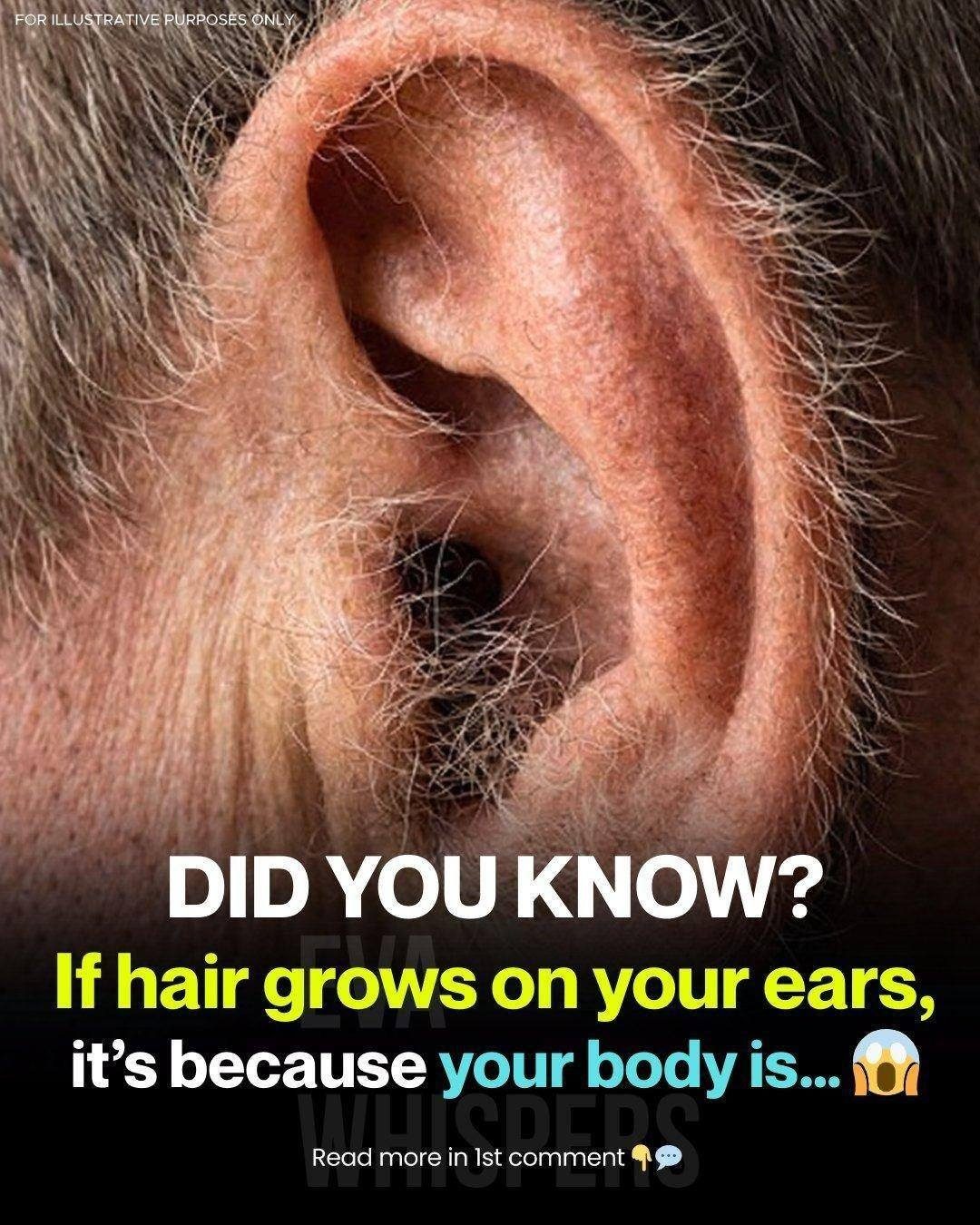
One common myth is that ear hair indicates a specific illness or serious health condition.
There is no scientific evidence that ear hair alone is a sign of:
- Heart disease
- Cancer
- Internal organ problems
It is mainly a cosmetic and age-related change, not a medical warning sign.
✂️ SHOULD YOU REMOVE EAR HAIR?
Many people choose to trim or remove visible ear hair for appearance or hygiene reasons.
Safe options include:
- Electric trimmers designed for facial hair
- Professional grooming services
- Careful trimming (not deep plucking)
⚠️ What to avoid:
- Sharp objects inside the ear canal
- Deep plucking (can irritate skin or cause infection)
The ear is a sensitive area, so gentle care is important.
🧠 WHY YOUR BODY GROWS HAIR IN DIFFERENT PLACES
Hair actually serves several biological purposes:
- Protection from dust and small particles
- Sensory function (detecting movement or touch)
- Temperature regulation (minor role in some areas)
Even though ear hair seems unnecessary today, it is part of the body’s natural design.
🌿 CAN YOU PREVENT IT?
Because ear hair is mainly influenced by:
- Age
- Hormones
- Genetics
It cannot be fully prevented.
However, lifestyle habits that support overall hormonal balance may include:
- Healthy diet
- Regular physical activity
- Good sleep
- Stress management
Still, these will not completely stop natural hair growth changes.
🌟 FINAL THOUGHTS
Seeing hair grow on your ears can feel surprising, but in most cases, it is simply a normal part of aging and genetics.
It is not a warning sign, not a disease, and not something dangerous. It is just your body changing over time—like wrinkles, gray hair, or changes in skin texture.
The key takeaway is simple:
👉 Ear hair is natural, common, and mostly harmless.
Understanding your body helps remove unnecessary fear and replaces it with awareness and calm confidence.
So instead of worrying about it, it is better to simply recognize it as one of the many small signs of how the human body evolves over time.