 Skip to content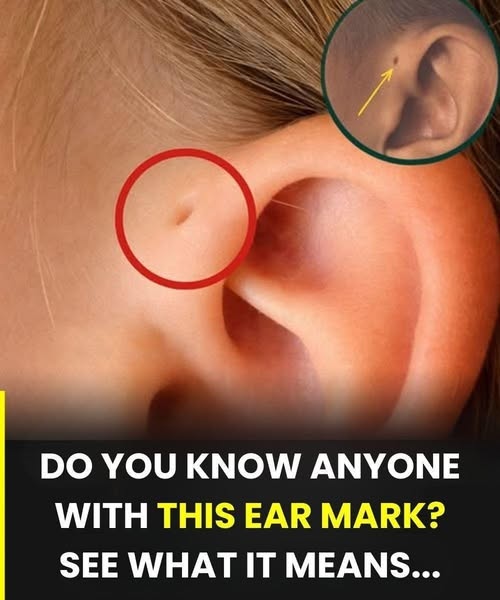
While medically simple, researchers find preauricular pits interesting because they can sometimes appear alongside other minor congenital variations. This helps scientists study how human development works in the womb.
It is also a reminder of how:
- Small genetic differences shape human diversity
- Developmental processes must be perfectly coordinated
- Even tiny variations can tell a story about biology
In other words, it’s not just a “hole”—it’s a small clue about how complex human formation really is.
👪 Can It Run in Families?
Yes, in many cases it can appear in multiple members of the same family. If a parent has a preauricular pit, there is a chance their child may also have it.
However, inheritance is not always predictable. Some families may have it frequently, while others may see it only once.
🏥 When Should You Pay Attention?
Although usually harmless, it’s important to watch for signs of infection such as:
- Persistent swelling
- Pain that doesn’t go away
- Repeated infections in the same area
In those rare cases, doctors may suggest treatment options to prevent discomfort or recurrence.
Otherwise, no action is needed at all.
🌟 Final Thoughts
That tiny ear hole many people ignore is actually a fascinating example of human variation. Known as a preauricular pit, it is present from birth, usually harmless, and far more common than people realize.
While the internet often turns small physical traits into exaggerated claims, science shows us something much simpler—and more beautiful: human bodies come in many natural variations, and most of them mean nothing harmful at all.
So if you or someone you know has this tiny ear feature, there’s no reason for concern. It’s just another small detail that makes each person uniquely built.