 Skip to content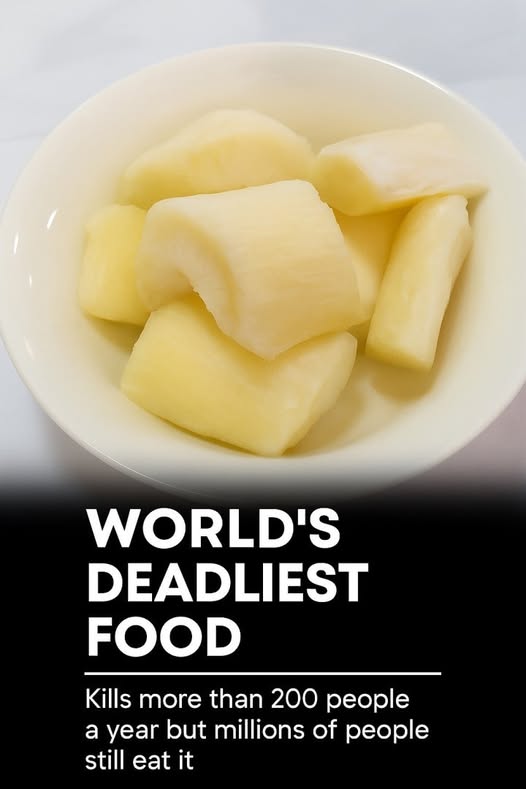
Organizations around the world are working to reduce cassava-related health risks through:
- Education on safe preparation methods
- Development of low-toxin cassava varieties
- Community outreach in high-risk regions
These efforts aim to preserve cassava’s role as a vital food source while minimizing its dangers.
🍽️ A Food of Contrasts
Cassava represents a powerful paradox:
- It feeds millions but can also harm thousands
- It’s both a solution to hunger and a potential health risk
- It’s safe when respected—but dangerous when misunderstood
This dual nature makes it one of the most fascinating foods in the world.
💡 What Can We Learn From This?
The story of cassava reminds us of an important truth: not all dangers are obvious. Sometimes, the foods we trust the most require knowledge and care to remain safe.
It also highlights the resilience of communities who depend on cassava—and the importance of sharing knowledge that can save lives.
🏁 Final Thoughts
So, is cassava truly “the world’s deadliest food”?
It certainly has one of the most complex reputations. While it’s responsible for over 200 deaths each year, it also sustains nearly 500 million people globally.
The difference comes down to awareness, education, and preparation.
In the end, cassava isn’t just a food—it’s a reminder that even the most essential resources come with responsibilities. And with the right knowledge, what could be dangerous can instead become life-sustaining.