 Skip to content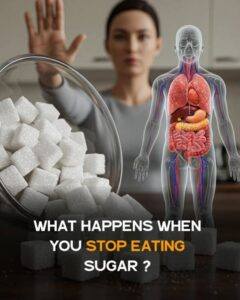
Sugar is everywhere—drinks, snacks, sauces, and even foods you wouldn’t expect. Because of this, many people consume far more added sugar than they realize.
So what actually happens if you stop eating sugar?
The answer isn’t instant magic—but your body does go through several real and noticeable changes over time. Some are challenging at first, but many are very positive.
Let’s break it down clearly.
😵 1. The first few days: withdrawal-like symptoms
If you suddenly stop added sugar, your body may react at first.
You might feel:
- Headaches
- Fatigue or low energy
- Mood swings or irritability
- Strong cravings for sweets
This happens because your brain is used to quick energy spikes from sugar. When that suddenly stops, it takes time to adjust.
👉 This phase usually improves within a few days to a week.
⚡ 2. Energy levels start to stabilize
After the initial adjustment, many people notice a big change:
Instead of energy spikes and crashes, your energy becomes:
- More steady
- More consistent throughout the day
- Less dependent on snacks or sweets
This is because your body starts relying more on balanced energy sources like complex carbohydrates and fats.
🧠 3. Improved focus and mental clarity
High sugar intake can cause fluctuations in blood sugar, which may affect concentration.
When you reduce sugar, you may experience:
- Better focus
- Fewer “brain fog” moments
- More stable mood
Many people describe feeling mentally “clearer” after a few weeks.
⚖️ 4. Weight changes may happen naturally
Cutting added sugar often reduces overall calorie intake without strict dieting.
This may lead to:
- Gradual weight loss
- Reduced belly fat over time
- Less water retention
However, results depend on overall diet and lifestyle—not sugar alone.
❤️ 5. Better heart and metabolic health markers