 Skip to content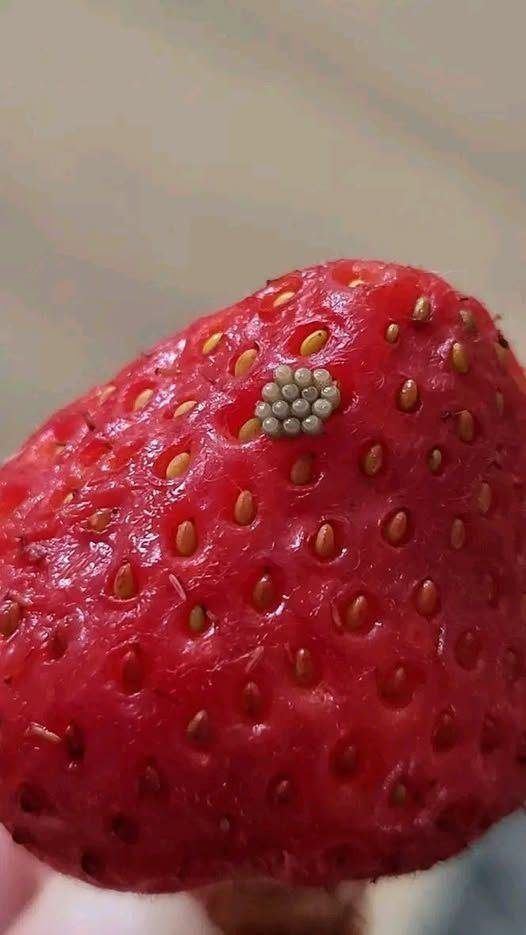
Berries are especially vulnerable because:
- They grow close to the ground
- They are soft and delicate
- They are often picked in large outdoor fields
- They are not always individually inspected
Even in supermarkets, small levels of natural contamination can occasionally occur despite washing and sorting.
🧼 How to properly clean berries (best method)
To reduce risk and improve cleanliness:
Step 1: Quick rinse
Rinse berries gently under cold running water.
Step 2: Salt or vinegar soak
- 1 liter water + 1–2 tablespoons salt
OR - 1 part vinegar + 3 parts water
Soak for 5–10 minutes.
Step 3: Second rinse
Rinse again to remove salt/vinegar taste.
Step 4: Dry properly
Spread on paper towels so they don’t mold.
🧠 The emotional side (why this feels so disturbing)
Seeing insects in food triggers a strong reaction because:
- We expect food to be “perfect”
- We don’t usually see what’s hidden inside produce
- Social media has made us expect unrealistic cleanliness
But in reality:
👉 Fresh food is part of a natural ecosystem—not a sterile laboratory product.
🌿 Key takeaway
What you experienced is:
✔️ Common
✔️ Usually harmless
✔️ More disturbing than dangerous
But your decision still matters.
🌟 Final answer
👉 You do NOT automatically need to throw the berries away.
👉 If they are still fresh and clean after washing, they are usually safe to eat.
👉 If they are heavily infested or spoiled, discarding them is the better choice.
The most important rule is simple:
🧠 Clean + firm berries = keep
Soft + moldy + heavily infested = throw away