 Skip to content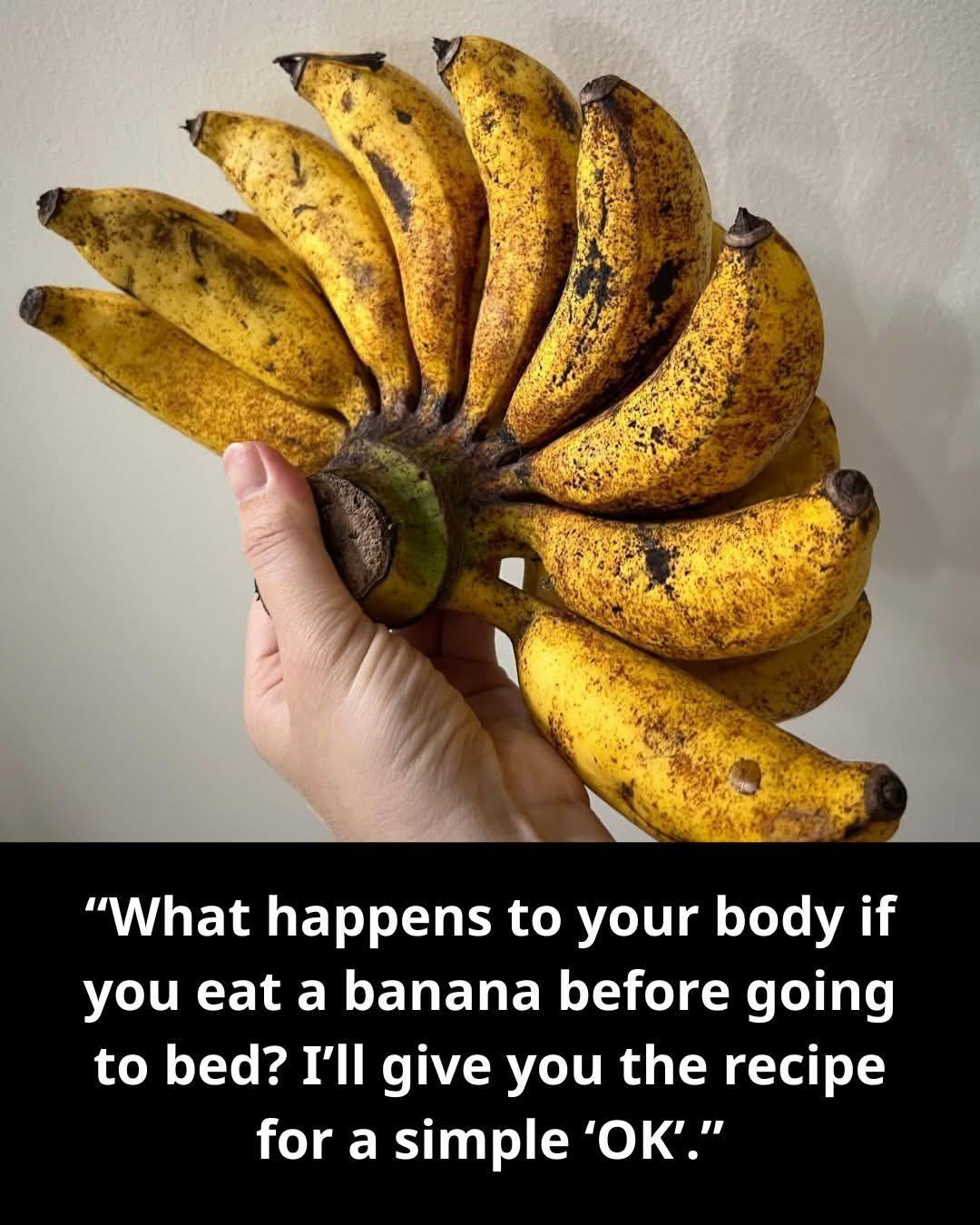
It might sound like just another trending health tip, but eating a banana at night has gained attention for a reason. Many people claim it helps them sleep better, feel calmer, and even wake up more refreshed. But is this actually true, or just another internet myth?
According to nutrition experts, there is real science behind what happens when you eat a banana before bed. This simple fruit contains a unique mix of nutrients that can influence your body in subtle but powerful ways—especially during the night.
Let’s take a deeper look at what really happens when you make bananas part of your nighttime routine.
😴 You May Significantly Improve Your Sleep Quality
One of the most talked-about benefits of eating bananas at night is better sleep—and this isn’t just speculation.
Bananas contain tryptophan, an essential amino acid that your body converts into serotonin and melatonin. These two compounds play a major role in regulating your sleep cycle. Melatonin, in particular, signals to your body that it’s time to rest.
In addition, bananas are rich in magnesium and potassium, both of which help relax muscles and calm the nervous system. This combination makes it easier for your body to transition into sleep naturally.
Instead of tossing and turning, your body may feel more at ease, allowing you to fall asleep faster and stay asleep longer.
🌙 You Create a Natural “Wind-Down” Effect
Modern life is full of stimulation—screens, stress, noise—and many people struggle to switch off at night.
Eating a banana can act as a gentle signal to your body that it’s time to slow down. The nutrients inside help reduce physical tension and promote mental calmness.
While it’s not a replacement for a healthy sleep routine, it can become part of a relaxing nighttime ritual that prepares your body for rest.
😊 Your Mood May Stabilize Before Bed
Have you ever noticed how your mood can affect your sleep? Stress, anxiety, or overthinking can make it difficult to relax.
Bananas support the production of serotonin, often referred to as the “feel-good” neurotransmitter. Higher serotonin levels can help reduce anxiety and promote a sense of calm.
This doesn’t mean a banana will instantly fix a bad day—but it can gently support emotional balance, making it easier to unwind.
💪 Muscle Recovery and Relaxation Improve
If you experience muscle tension, restlessness, or even nighttime cramps, bananas might help more than you expect.
Potassium plays a key role in muscle function, helping prevent cramping and stiffness. Magnesium contributes to muscle relaxation and recovery.
This is especially beneficial if you exercise regularly or spend long hours sitting during the day. A banana at night can support your body’s natural recovery process while you sleep.
🧠 Your Brain Gets Nutritional Support
Bananas are also a good source of vitamin B6, which helps your body produce neurotransmitters like serotonin and dopamine.
These chemicals don’t just affect your mood—they also play a role in brain function and relaxation. Supporting your brain before sleep can contribute to deeper, more restorative rest.
⚖️ You May Reduce Late-Night Snacking Habits
Late-night cravings often lead to unhealthy choices—chips, sweets, or processed foods that can disrupt sleep and digestion.
Bananas offer a natural alternative. They are:
- Sweet enough to satisfy sugar cravings
- Rich in fiber to keep you full
- Easy to digest compared to heavier snacks
By choosing a banana instead, you’re giving your body something nutritious without overloading it before bedtime.
🔄 Blood Sugar Stability Matters
Bananas contain natural sugars, but they also include fiber, which helps slow down digestion and prevent sharp spikes in blood sugar.
For most people, this creates a steady release of energy rather than a sudden crash. Stable blood sugar levels at night can help prevent waking up due to hunger or discomfort.
However, portion size is important—especially for those monitoring their sugar intake.
⚠️ Potential Downsides to Consider