 Skip to content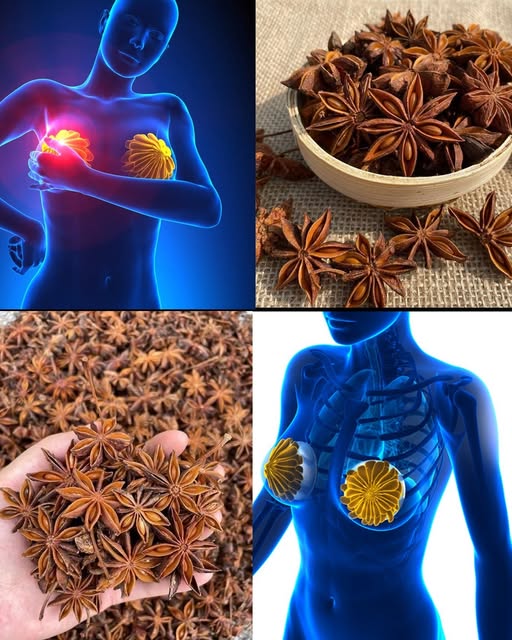
Anise seeds have been used for centuries in traditional cooking and herbal practices around the world. Today, they are gaining renewed attention in wellness discussions for their aroma, flavor, and potential supportive properties.
Known for their sweet, licorice-like taste, anise seeds are more than just a kitchen spice—they contain natural plant compounds that have been studied for their role in digestion and general well-being.
But what do they really do for the body, especially for women? Let’s explore the facts in a clear, science-aware way.
🌱 What Are Anise Seeds?
Anise seeds come from the plant Anise. They are small, brownish seeds with a distinct sweet aroma often used in teas, desserts, and traditional remedies.
They contain:
- Essential oils (like anethole)
- Antioxidants
- Natural plant compounds
- Trace minerals
Because of this composition, they are often included in herbal wellness routines.
🧠 1. May Support Digestion Comfort
One of the most well-known traditional uses of anise seeds is digestive support.
They are often consumed to help with:
- Bloating
- Gas discomfort
- Mild indigestion
The natural compounds in anise may help relax the digestive tract, making meals feel lighter for some people.
However, this effect varies from person to person and is not a medical treatment for digestive diseases.
🌸 2. Traditional Support for Women’s Wellness
In many cultures, anise seeds have been used in herbal teas associated with women’s health.
They are traditionally believed to help with:
- Menstrual comfort
- Mild cramps
- Hormonal balance support
While these uses are popular in traditional medicine systems, modern research is still limited, and effects are generally considered supportive rather than therapeutic.
🧘♀️ 3. May Help Relax the Body
The natural aroma of anise seeds is often used in calming teas and herbal blends.
Some people find that it may help:
- Promote relaxation
- Support better sleep routines
- Reduce feelings of mild tension
This calming effect is likely linked to the plant’s aromatic compounds rather than any strong sedative action.
🛡️ 4. Contains Antioxidant Properties
Anise seeds contain antioxidants, which help the body manage oxidative stress.
Antioxidants are important because they:
- Support overall cellular health
- Help protect cells from environmental stress
- Contribute to general wellness
While antioxidants are beneficial, they are most effective when part of a balanced diet rich in fruits, vegetables, and whole foods.
🧬 5. Natural Plant Compounds with Biological Activity
The main active compound in anise is anethole, which has been studied for its biological properties.
Research suggests it may have:
- Mild antimicrobial activity (in lab studies)
- Anti-inflammatory potential (early research stage)
However, these findings are mostly from laboratory or animal studies—not strong clinical proof in humans.
☕ How to Use Anise Seeds (Simple Herbal Tea Recipe)
Here is a gentle and traditional way to enjoy anise seeds:
🌿 Ingredients:
-
Pages: 1 2