 Skip to content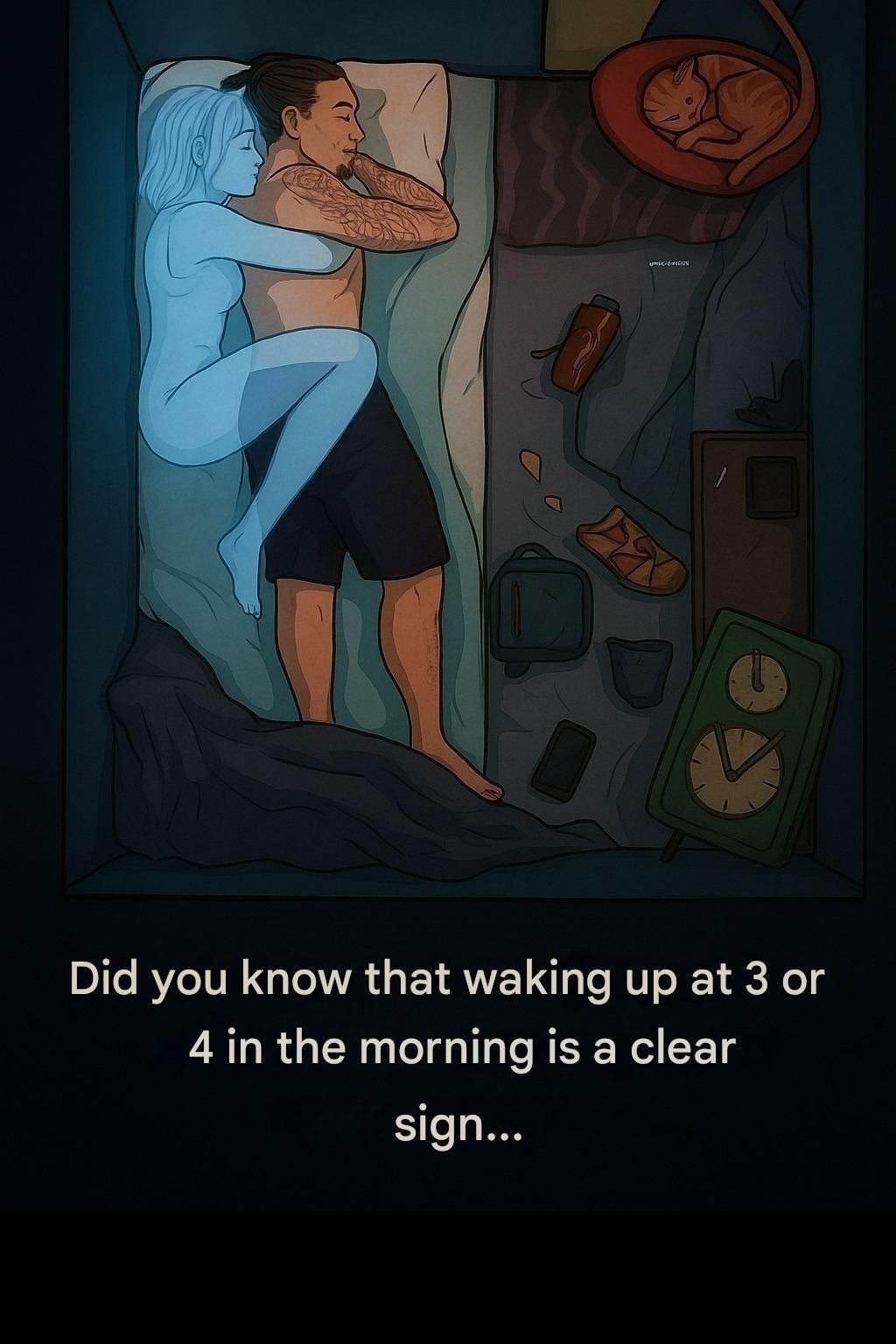
Waking up in the middle of the night—especially around 3 or 4 in the morning—is a common experience for many people. You fall asleep normally, but then suddenly your eyes open, your mind becomes alert, and going back to sleep feels difficult or impossible.
Naturally, this leads to concern: Is something wrong with me?
The answer is not always simple. In many cases, this pattern is harmless. But sometimes, it can be a sign that your body or mind is under stress or imbalance.
Let’s explore the most common explanations doctors and sleep experts point to.
⏰ 1. Your Sleep Cycle Is Naturally Changing
One of the most common reasons is a shift in your internal body clock, known as your circadian rhythm.
As people age—or even during stressful periods—sleep patterns can change:
- You fall asleep earlier
- You complete sleep cycles earlier
- You wake up before your intended time
So if you go to bed at 9–10 PM, waking up at 3–4 AM may simply mean your body has finished a full sleep cycle.
👉 In this case, it’s not a “problem”—just a timing shift.
🧠 2. Stress and Mental Overload
A very common hidden cause is psychological stress.
During sleep, the brain continues processing emotions and thoughts. Around early morning hours, stress hormones like cortisol begin to rise naturally to prepare the body for waking.
If you are dealing with:
- Anxiety or worry
- Financial or personal stress
- Emotional tension
- Overthinking habits
your brain may become “overactive” at night, causing early waking.
This pattern is often linked with Insomnia, especially when it happens repeatedly.
🩸 3. Blood Sugar Drops During the Night
Another possible cause is changes in blood sugar levels while sleeping.
When blood sugar drops too low, the body may respond by releasing stress hormones like adrenaline to stabilize energy. This can wake you up suddenly.
This may be more likely if you:
- Skip meals or eat irregularly
- Eat high-sugar dinners
- Have insulin sensitivity issues
- Are managing conditions like Type 2 Diabetes
🧬 4. Hormonal Changes and Aging
Hormones play a major role in sleep quality.
As we age, natural changes occur:
- Melatonin production decreases (harder to stay asleep)
- Cortisol patterns shift (earlier wake signals)
- Deep sleep becomes lighter and shorter
These changes can make sleep more fragmented, especially in the early morning hours.
This is why many adults notice more frequent night awakenings over time—even without any illness.
☕ 5. Lifestyle Habits That Disrupt Sleep
Sometimes the cause is not medical at all, but behavioral.
Common triggers include:
- Drinking caffeine too late in the day
- Using phones or screens before bed
- Irregular sleep schedule
- Late-night heavy meals
- Lack of physical activity
Even small habits can affect how deeply your brain stays asleep.
🌙 When It’s Usually NOT Serious
Waking up at 3–4 AM is often not a concern if:
- You fall back asleep easily
- You feel rested during the day
- It happens occasionally, not daily
- Your overall health is stable
Sleep is naturally made of cycles, and brief awakenings can be normal.
⚠️ When You Should Pay Attention