 Skip to content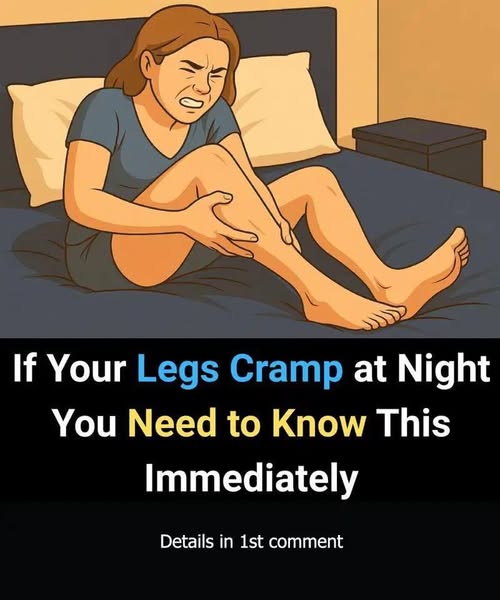
Occasional cramps are normal. However, if they happen frequently or are severe, it may be worth paying attention.
You should consider speaking to a healthcare professional if you also experience:
- Swelling in the legs
- Persistent pain during the day
- Numbness or weakness
- Cramps happening almost every night
These could indicate an underlying issue that needs attention.
🛠️ What to Do Immediately During a Cramp
If a cramp wakes you up, here’s what helps quickly:
- Gently stretch the affected muscle
- Flex your foot upward toward your body
- Massage the tight area
- Stand up and walk slowly if possible
- Apply warm heat or a gentle rub
The goal is to relax the muscle and restore normal blood flow.
🌿 How to Reduce Night Leg Cramps
Simple daily habits can make a big difference:
- Drink enough water throughout the day
- Stretch your legs before bed
- Stay physically active
- Eat foods rich in magnesium and potassium
- Avoid tight bedding that restricts movement
Consistency matters more than intensity.
🌙 Final Thoughts
Night leg cramps are painful, but in most cases, they are your body’s way of signaling simple things like hydration levels, muscle fatigue, or lifestyle habits.
The good news is that small changes can often reduce or even eliminate them over time.
Listening to your body, staying active, and maintaining good daily habits can make your nights far more comfortable—and help you wake up refreshed instead of in pain.
So if leg cramps have been disturbing your sleep, don’t ignore them—but don’t panic either. With a few adjustments, you can take back your nights and sleep peacefully again. 🌙🦵