 Skip to content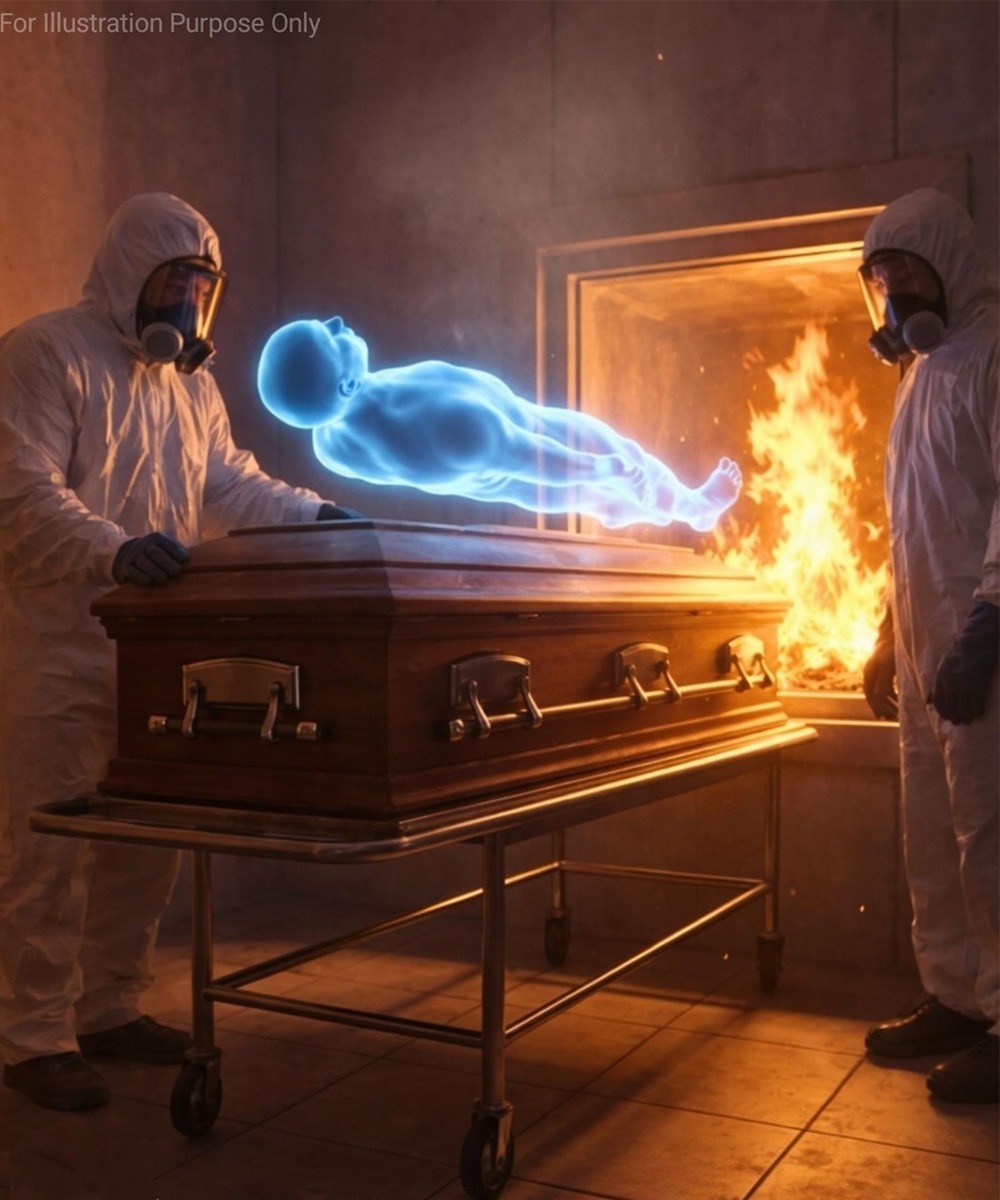
One of the central teachings in Christianity is that the soul is what matters most. The physical body is seen as temporary, while the soul is eternal.
This is why Christian theology often emphasizes:
- Faith
- Salvation
- Moral life
- Relationship with God
Rather than focusing on the method of body disposal.
✝️ What Most Christian Denominations Say Today
Modern Christian perspectives vary, but many agree on this general principle:
- Cremation is not considered a sin
- Burial and cremation are both acceptable
- Respect and dignity in handling the body are important
The emphasis is on intention and reverence, not the physical method.
⚠️ Why the “Cremation Is a Sin” Claim Exists
This belief often comes from:
- Cultural traditions that prefer burial
- Misinterpretations of symbolic Bible passages
- Online misinformation
- Emotional discomfort with cremation
But it is not a universally supported biblical teaching.
🧭 What Matters More in Scripture
Across the Bible, the focus is consistently on:
- How a person lives
- Faith and righteousness
- Love, compassion, and justice
- Spiritual accountability
The method of burial or cremation is not presented as a moral test.
🌿 Final Thoughts
The idea of “the sin of cremation according to the Bible” is not supported by a direct scriptural command. While burial was the common practice in biblical times, cremation is not declared sinful in Scripture.
Different Christian communities may have different traditions or preferences, but the core message of the Bible remains centered on faith, character, and spiritual life—not the physical method of handling the body after death.
In the end, this is less about fear of doing something “wrong,” and more about understanding that beliefs about death are deeply cultural, while biblical teachings focus primarily on how we live ✝️📖