 Skip to content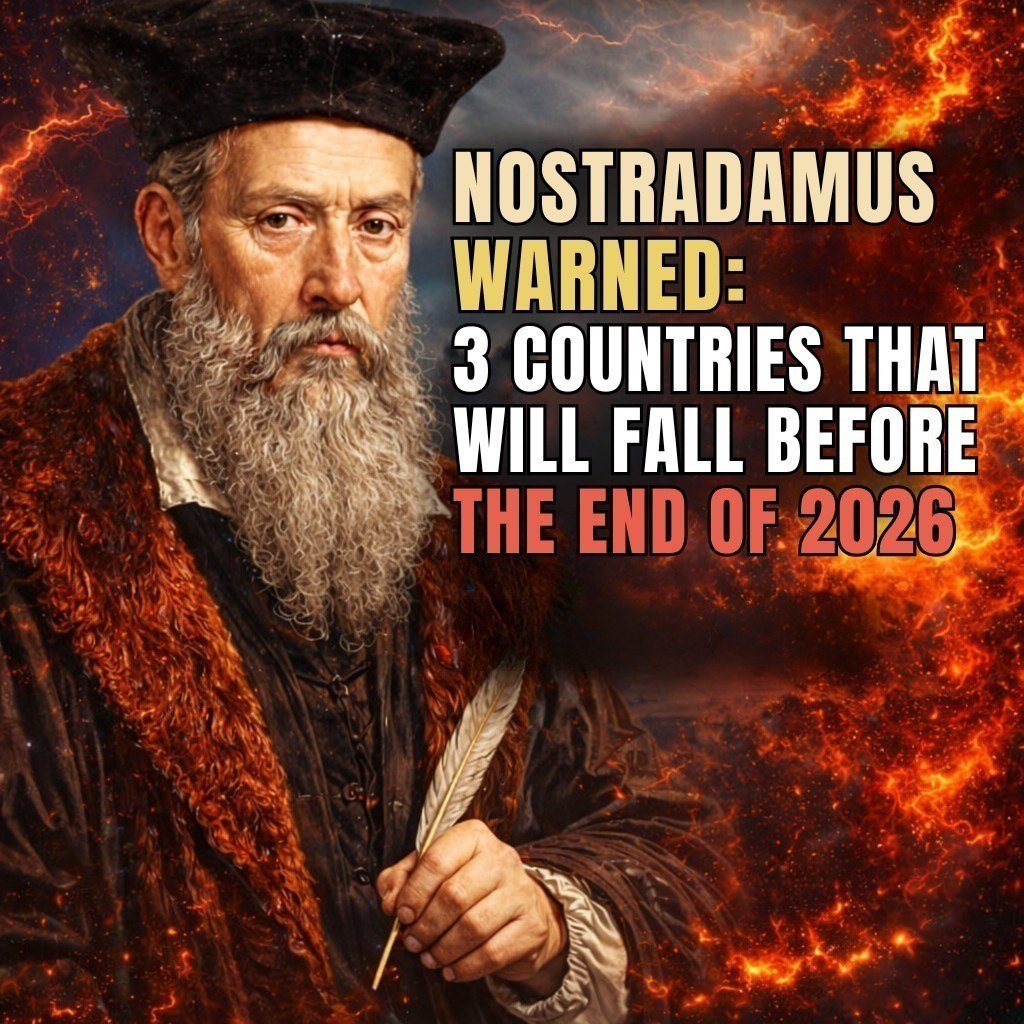
There’s a reason these stories spread so quickly:
- Fear attracts attention
Headlines about war and سقوط nations naturally grab interest. - Vague language fits anything
Nostradamus wrote in a way that can be applied to many situations. - Timing bias
During periods of global tension, people look for “predictions” that seem to explain what’s happening.
🧠 What Experts Say
Historians and scholars generally agree:
- Nostradamus did not provide clear, date-specific predictions like “2026”
- His writings are not reliable for forecasting real-world events
- Interpretations often reflect the reader’s own fears or beliefs
In fact, many past claims about Nostradamus predicting major events (like world wars or disasters) were only linked to his writings after those events occurred.
🌐 Real-World Context: Why People Believe It
Even though the prophecy isn’t specific, the world today does have real challenges:
- Geopolitical tensions
- Economic instability in some regions
- Climate-related pressures
- Ongoing conflicts
These issues can make predictions like this feel more believable, even when they lack solid evidence.
❗ The Danger of Misinformation
Believing dramatic but unverified claims can lead to:
- Unnecessary fear or anxiety
- Poor decision-making
- Spread of misinformation
It’s always better to rely on:
- Verified news sources
- Expert analysis
- Evidence-based information
✅ A More Rational Perspective
Instead of focusing on unclear prophecies, it’s more useful to understand how global events actually unfold:
- Countries don’t “fall” overnight
- Political and economic changes take time
- Outcomes depend on policies, leadership, and global cooperation
History shows that while nations face challenges, they also adapt, recover, and evolve.
🌟 Final Thoughts
The idea that Nostradamus predicted three countries will fall before 2026 is more myth than fact.
While his writings remain fascinating, they are not a reliable guide to the future. Viral claims often stretch interpretations far beyond what was originally written.
👉 The real takeaway? Stay informed, think critically, and don’t let sensational headlines shape your view of the world.
The future isn’t written in cryptic verses—it’s shaped by real decisions, real people, and real events happening every day.