 Skip to content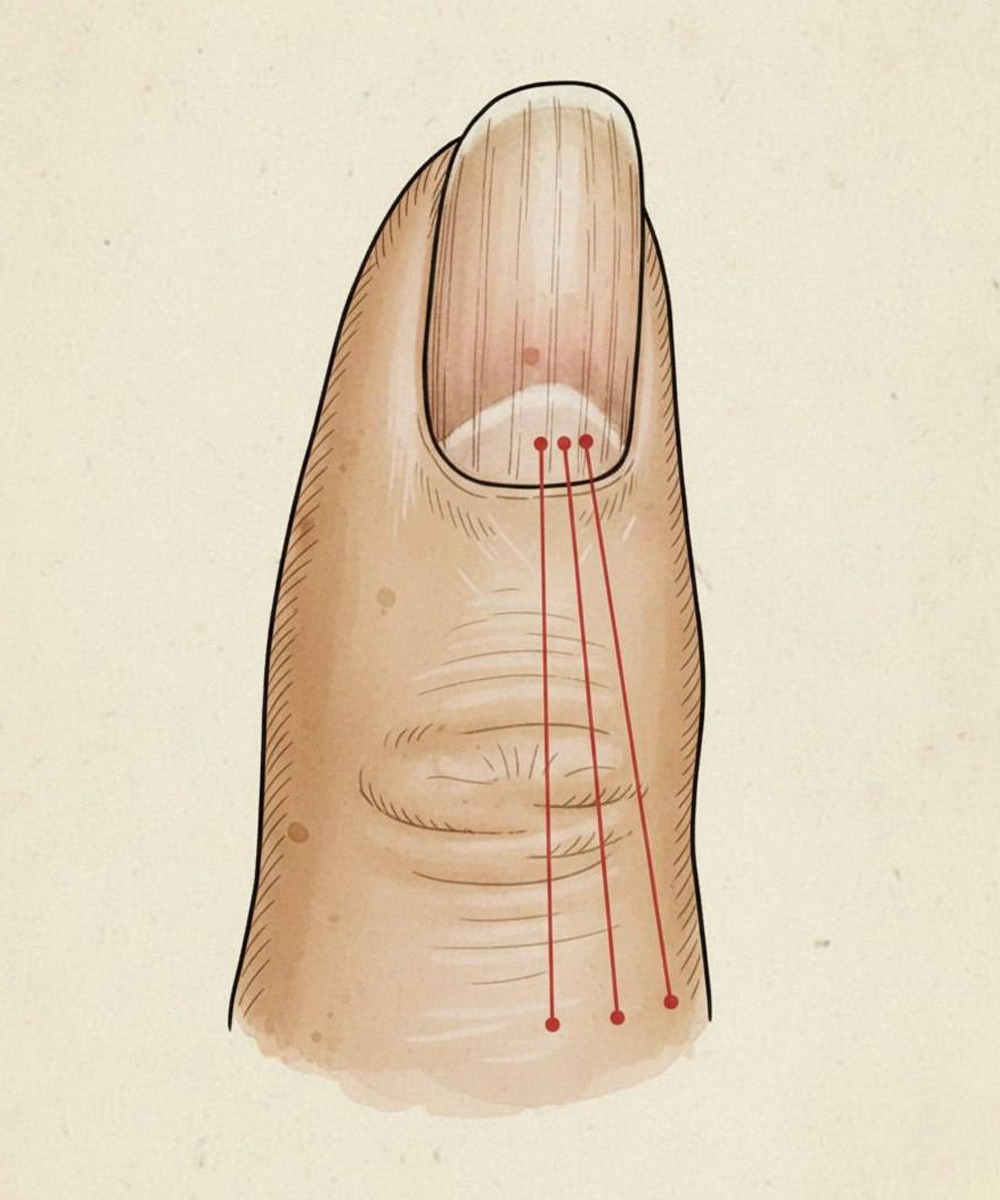
Take a closer look at your nails. Do you notice lines or ridges running across or along them? It’s easy to ignore these small details—but sometimes, your nails can offer clues about what’s happening inside your body.
Before jumping to conclusions, here’s the truth: nail lines are very common, and most of the time they are harmless. But in certain situations, they can be linked to underlying health issues that deserve attention.
Let’s explore what these lines really mean—and when you should take them seriously.
🧬 1. Vertical Lines: A Normal Sign of Aging
If you see thin lines running from the base of your nail to the tip, these are called vertical ridges. They’re extremely common and usually become more noticeable with age.
Think of them like wrinkles—but on your nails.
Why do they appear?
- Natural aging process
- Slower cell turnover
- Minor changes in nail structure
In most cases, vertical lines are completely harmless and don’t indicate any disease.
⚠️ 2. Horizontal Lines: A Possible Warning Sign
Lines that run across your nails (from side to side) are known as Beau’s Lines. These can sometimes signal that your body went through a period of stress or illness.
They may appear after:
- Severe infections
- High fever
- Physical trauma
- Major stress
Essentially, they show that nail growth was temporarily interrupted.
🍽️ 3. Nutritional Deficiencies
Your nails need proper nutrients to grow strong and smooth. When your body lacks essential vitamins or minerals, it can show up as ridges or changes in texture.
Common deficiencies linked to nail lines include:
- Iron
- Zinc
- Vitamin B12
One condition related to iron deficiency is Iron Deficiency Anemia, which can also cause brittle or spoon-shaped nails.
Other signs to watch for:
- Fatigue
- Pale skin
- Hair thinning
Improving your diet can often help restore nail health over time.
🩺 4. Underlying Health Conditions
In some cases, nail changes can be associated with broader health issues. For example, deep horizontal grooves or discoloration might be linked to systemic conditions.
One rare but notable example is Kidney Disease, which can sometimes affect nail appearance.
However, it’s important not to jump to conclusions—nail changes alone are not enough for a diagnosis.
🦠 5. Trauma or Physical Damage