 Skip to content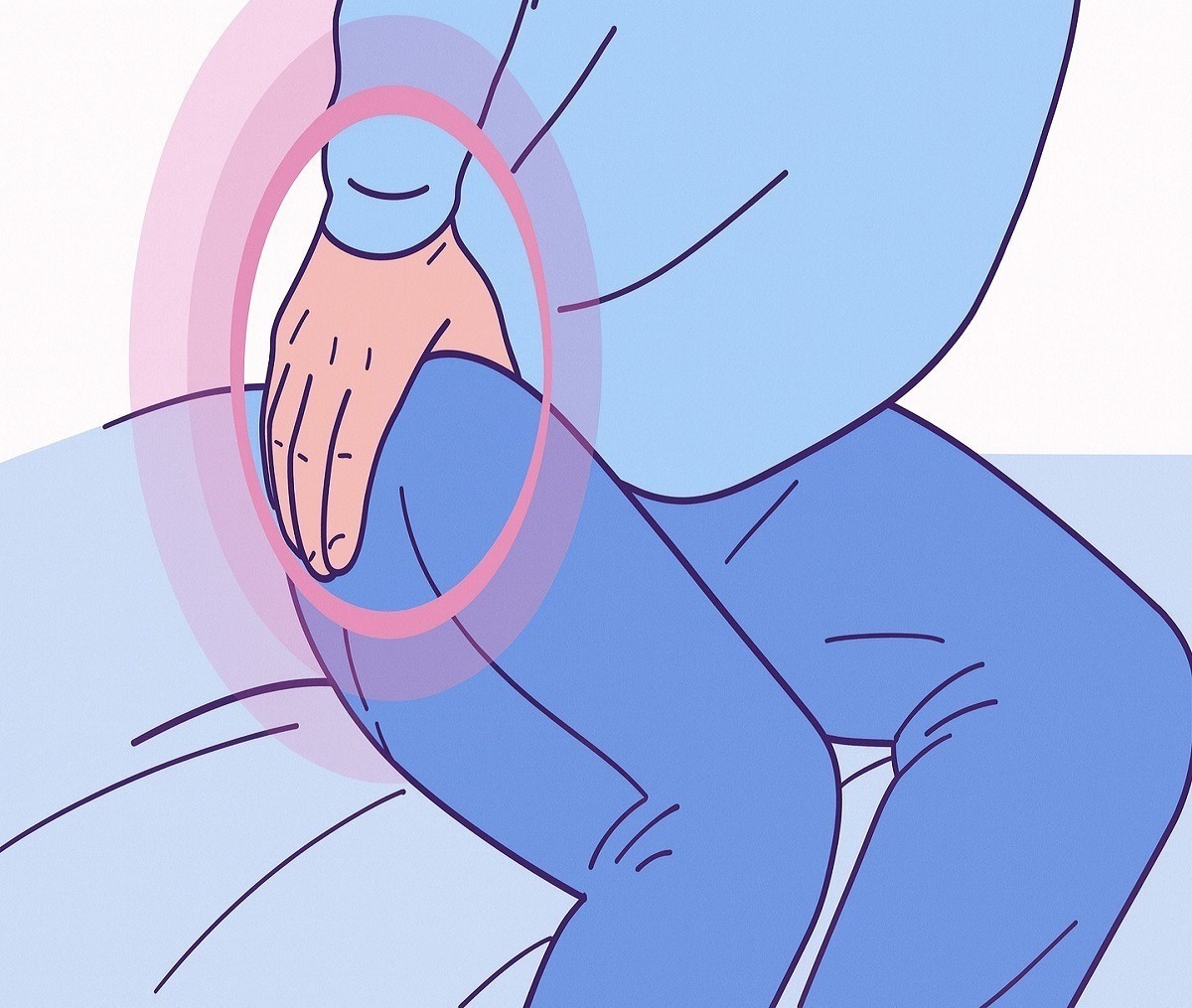
Hip pain is one of those symptoms many people ignore at first—blaming it on sleeping wrong, sitting too long, or just “getting older.” But when hip discomfort keeps coming back or gradually worsens, it can sometimes point to underlying issues that deserve attention.
Let’s break down what hip pain may really mean, when it’s harmless, and when it could signal something more serious.
🦴 What Is Hip Pain?
Hip pain refers to discomfort in or around the hip joint. It can feel like:
- A dull ache in the groin or outer hip
- Sharp pain when walking or standing
- Stiffness after rest (especially in the morning)
- Pain that radiates to the thigh or lower back
The hip is a strong, complex joint that supports your entire upper body—so when something is off, it can affect your movement significantly.
🪑 Common (and Often Harmless) Causes
In many cases, hip pain is not a sign of something dangerous. It may simply be due to daily habits or strain:
🧍 1. Sitting Too Long
Prolonged sitting can tighten hip muscles and reduce flexibility, leading to discomfort when you stand up.
🏃 2. Overuse or Physical Activity
Running, walking long distances, or sudden intense exercise can strain the hip muscles or tendons.
😴 3. Poor Sleeping Position
Sleeping on one side without support can put pressure on the hip joint.
⚖️ 4. Muscle Imbalance
Weak or tight muscles around the hips can lead to uneven pressure and pain.
🧠 When Hip Pain May Signal a Bigger Problem
Sometimes, hip pain is more than just muscle fatigue. Doctors pay closer attention when pain is:
- Persistent (lasting weeks or months)
- Worsening over time
- Accompanied by stiffness or limited movement
- Present even at rest or during sleep
Possible underlying causes include:
🦴 1. Joint Wear and Tear
A common cause in older adults is degeneration of the hip joint, often linked to osteoarthritis.
This condition occurs when cartilage in the joint gradually wears down, leading to pain and stiffness.
🦴 2. Inflammation of the Joint
Conditions like arthritis can cause inflammation, swelling, and reduced mobility in the hip area.
🦵 3. Injuries or Fractures
Falls or accidents may lead to fractures or soft tissue injuries that cause ongoing pain.
🧠 4. Referred Pain from the Lower Back
Sometimes hip pain is actually caused by nerve issues in the spine that radiate into the hip area.
🦠 5. Other Medical Conditions
Less commonly, infections or systemic diseases may also affect the hip joint.
⚠️ Red Flags You Shouldn’t Ignore