 Skip to content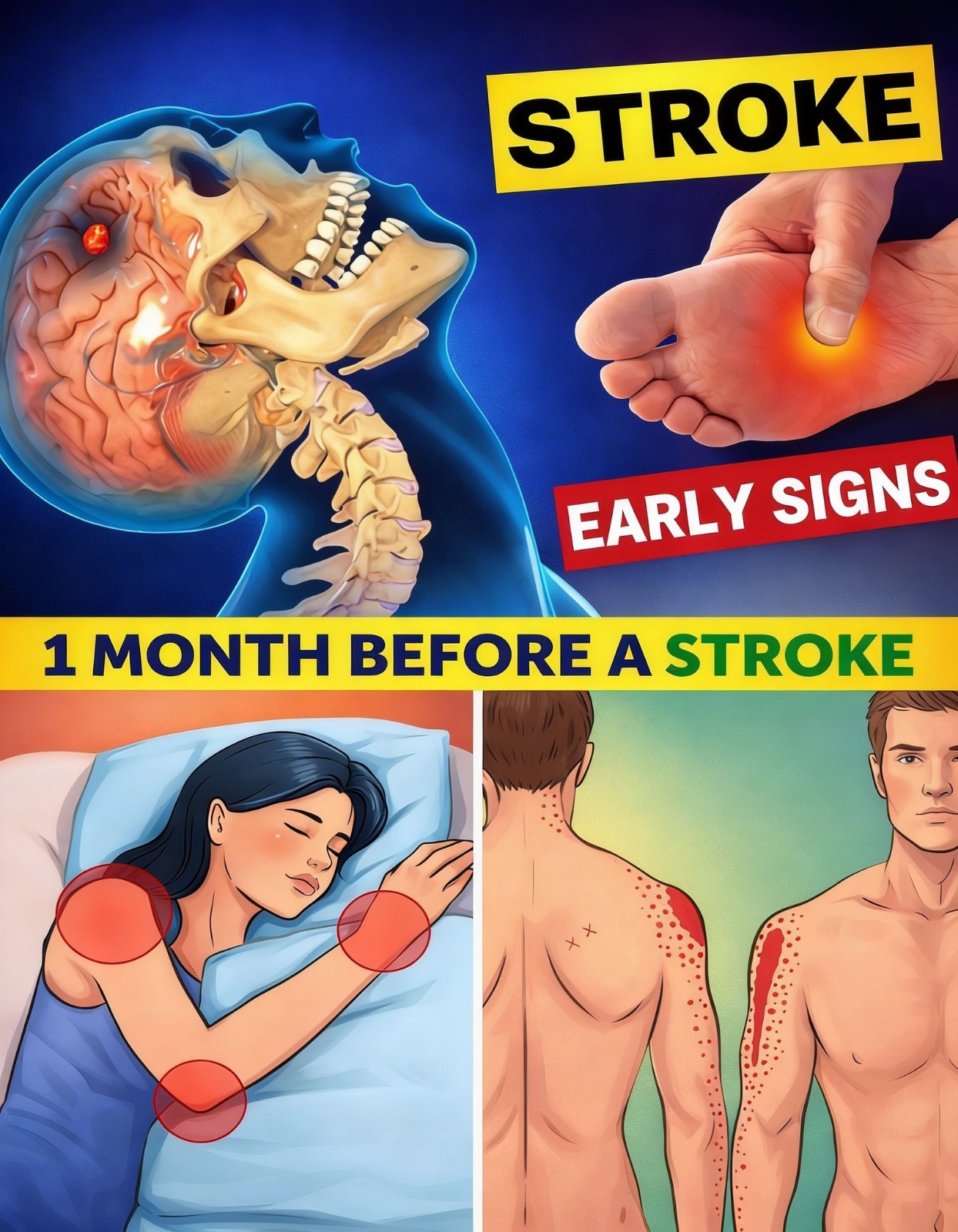
Studies show that TIAs (transient ischemic attacks) and early stroke symptoms often precede major strokes by weeks. Acting quickly—through medical evaluation, lifestyle changes, or preventive treatment—can drastically reduce the risk of severe brain damage, long-term disability, or death.
9 Tips to Prevent Stroke
1️⃣ Monitor and Control Blood Pressure
High blood pressure is the leading cause of stroke. Regularly check your blood pressure and follow your doctor’s guidance on medication and lifestyle adjustments.
2️⃣ Manage Cholesterol Levels
High LDL (“bad” cholesterol) can cause artery blockage. Eat heart-healthy foods, exercise, and take prescribed medications if needed.
3️⃣ Maintain a Healthy Diet
Focus on fruits, vegetables, whole grains, lean proteins, and healthy fats. Avoid excessive salt, sugar, and processed foods.
4️⃣ Stay Physically Active
Aim for at least 30 minutes of moderate exercise most days. Walking, swimming, or cycling improves circulation and reduces stroke risk.
5️⃣ Control Blood Sugar
Diabetes increases stroke risk. Monitor glucose levels and maintain a balanced diet to keep blood sugar under control.
6️⃣ Avoid Smoking and Limit Alcohol
Tobacco damages blood vessels, and excessive alcohol increases blood pressure. Quitting smoking and moderating alcohol can significantly reduce stroke risk.
7️⃣ Manage Stress
Chronic stress raises blood pressure and damages your heart and arteries. Meditation, yoga, or breathing exercises can help reduce stress.
8️⃣ Know Your Family History
If stroke or heart disease runs in your family, discuss preventive strategies with your doctor. Early monitoring and lifestyle modifications are crucial.
9️⃣ Recognize Symptoms and Act Fast
Learn the FAST acronym for stroke:
- Face drooping
- Arm weakness
- Speech difficulty
- Time to call emergency services
Even mild or intermittent warning signs warrant medical attention. Quick action can save brain function and lives.
Lifestyle Tips for Long-Term Brain Health
Beyond immediate stroke prevention, maintaining overall brain health reduces risk in the long term:
- Stay socially active: Regular interactions with friends and family boost mental health.
- Keep learning: Challenging your brain with puzzles, reading, or new skills strengthens neural pathways.
- Prioritize sleep: Poor sleep increases stroke risk. Aim for 7–9 hours per night.
- Maintain a healthy weight: Obesity increases hypertension, diabetes, and cholesterol, all stroke risk factors.
Final Thoughts
Your body often gives warning signals weeks before a stroke occurs. Recognizing these signs and making preventive lifestyle changes can drastically reduce the risk of serious complications.
Even subtle symptoms—numbness, dizziness, speech difficulty, or unusual headaches—should not be ignored. Regular medical checkups, a heart-healthy lifestyle, and quick responses to warning signs are your best defense against stroke.
Remember: strokes are largely preventable, and early intervention saves lives. Pay attention to your body, act on warning signs, and embrace healthy habits today to protect your brain tomorrow. 🧠❤️