 Skip to content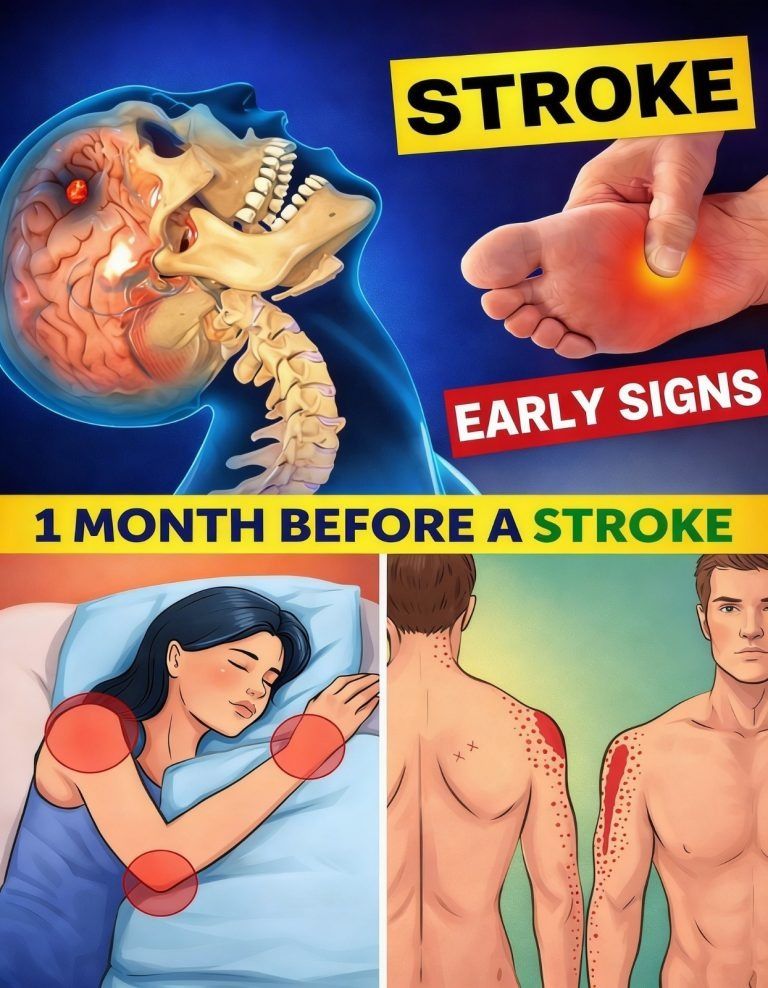
A common early sign is unusual sensation such as:
- Pins and needles in face, arm, or leg
- Reduced sensitivity on one side
- Sudden “dead feeling” in limbs
This often reflects nerve signal disruption in the brain.
⚠️ 8. Transient ischemic attack (TIA) – the “mini warning stroke”
A Transient Ischemic Attack is sometimes called a “mini-stroke.”
Symptoms are similar to stroke but temporary:
- Weakness or numbness
- Vision changes
- Speech difficulty
- Loss of coordination
Even though symptoms may disappear within minutes or hours, a TIA is a major warning sign of future stroke risk.
Doctors consider it an urgent signal that blood vessels may already be unstable.
🧬 WHY THESE WARNING SIGNS MAY APPEAR EARLY
These symptoms can occur before a full stroke because:
- Blood vessels may be narrowing over time
- Small clots may temporarily block circulation
- Blood flow to the brain may become inconsistent
- Arteries may already be damaged or inflamed
Even short episodes indicate that the brain is under stress from reduced oxygen supply.
🛡️ NOW: 9 SCIENCE-BACKED WAYS TO HELP REDUCE STROKE RISK
While not all strokes are preventable, research shows that lifestyle choices play a major role in reducing risk.
❤️ 1. Control blood pressure (MOST IMPORTANT FACTOR)
High blood pressure is the leading risk factor for stroke.
Helpful steps:
- Reduce salt intake
- Monitor blood pressure regularly
- Follow medical treatment if prescribed
- Maintain a balanced lifestyle
🥗 2. Eat a brain- and heart-friendly diet
Focus on:
- Fresh fruits and vegetables
- Whole grains
- Healthy fats (olive oil, nuts, fish)
- Lean proteins
Limit:
- Processed foods
- Excess sugar
- Trans fats
🚭 3. Avoid smoking completely
Smoking damages blood vessels and increases:
- Clot formation risk
- Artery narrowing
- Oxygen reduction in blood
Stopping smoking significantly reduces stroke risk over time.
🏃 4. Stay physically active
Regular movement helps:
- Improve circulation
- Lower blood pressure
- Strengthen cardiovascular health
Even moderate daily walking is beneficial.
⚖️ 5. Maintain a healthy body weight
Excess weight increases risk factors like:
- High blood pressure
- Diabetes
- Cholesterol imbalance
🩸 6. Monitor cholesterol levels
High LDL (“bad cholesterol”) contributes to artery blockage.
Regular checkups help detect issues early.
🧠 7. Manage stress effectively
Chronic stress affects heart and brain health.