 Skip to content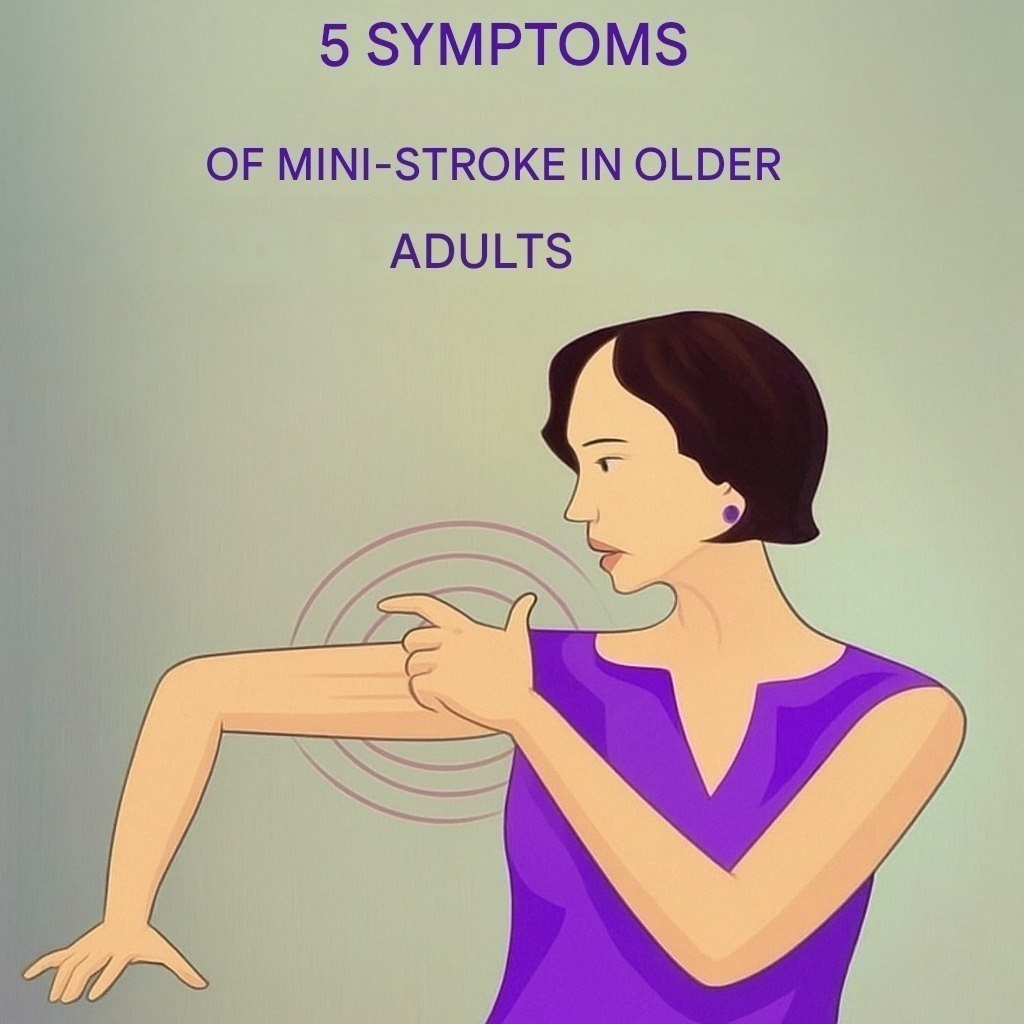
The biggest danger of a mini stroke is not the symptoms themselves—it is what they predict.
Studies show that after a TIA:
- The risk of a full stroke increases significantly in the following days and weeks
- Early medical treatment can dramatically reduce this risk
This is why doctors consider a mini stroke a medical emergency, not a minor event.
🧬 Common Risk Factors in Seniors
Mini strokes are more likely in people with:
- High blood pressure
- Diabetes
- High cholesterol
- Smoking habits
- Heart rhythm problems
One important heart-related condition linked to stroke risk is Atrial Fibrillation, which can cause blood clots that travel to the brain.
🚨 What to Do If You Notice These Symptoms
If any of these symptoms appear—even if they disappear quickly:
⏱️ Act immediately
Do not wait for symptoms to return.
🏥 Seek emergency medical care
A doctor may run tests to prevent a full stroke.
🧠 Remember FAST:
- Face drooping
- Arm weakness
- Speech difficulty
- Time to call emergency services
🌟 Final Thoughts
Mini strokes are often silent warnings from the body that something is seriously wrong with blood flow to the brain.
Because symptoms can disappear quickly, many people ignore them—but this is a dangerous mistake.
Recognizing early signs like weakness, speech problems, vision changes, dizziness, or confusion can make a life-saving difference.
In stroke prevention, awareness is not optional—it is essential.
Because sometimes, the body gives you a second chance… but only if you listen in time.