 Skip to content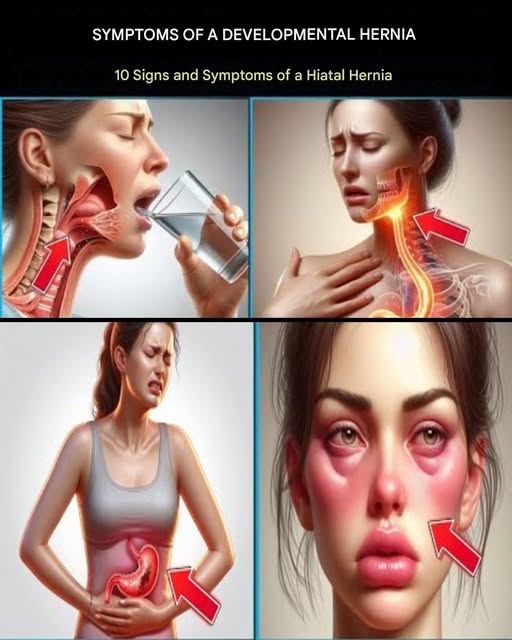
While many hiatal hernias are mild, you should seek medical attention if you experience:
- Severe or persistent chest pain
- Trouble swallowing that gets worse
- Frequent vomiting or nausea
- Unexplained weight loss
- Breathing difficulty that increases over time
These signs require proper medical evaluation.
🛠️ Simple lifestyle changes that often help
Many people manage symptoms with adjustments like:
- Eating smaller, more frequent meals
- Avoiding lying down right after eating
- Reducing spicy, fatty, or acidic foods
- Sleeping with the head slightly elevated
- Maintaining a healthy weight
- Avoiding tight clothing around the abdomen
These changes don’t cure the condition but can significantly reduce discomfort.
🌿 Final thoughts
A hiatal hernia is often manageable, but the key is recognizing its symptoms early and not ignoring repeated warning signs like heartburn, chest pressure, or swallowing difficulties.
Many people live normal lives with it once they understand how to control symptoms and adjust habits.
Because in most cases, your body is not suddenly “breaking down”—it is simply asking for better balance, awareness, and care. 🫀✨