 Skip to content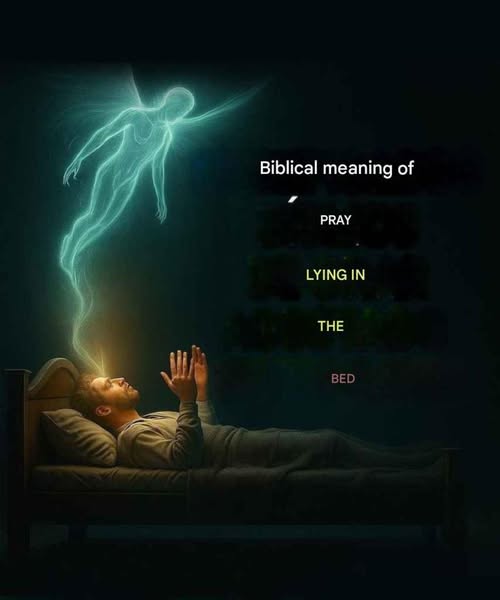
Prayer is one of the most personal and flexible forms of spiritual connection. While many people imagine prayer in a formal position—standing, sitting, or kneeling—the reality is that prayer can happen anywhere, at any time, and in any posture, including while lying in bed.
For some, praying from bed is simply a moment of exhaustion. For others, it becomes a deeply intimate space of reflection, gratitude, and emotional release. Spiritually and psychologically, this practice carries more meaning than it may seem at first glance.
Let’s explore what it can represent.
🌙 1. Prayer as a moment of surrender and honesty
Lying down often symbolizes rest, vulnerability, and letting go of control.
When someone prays from bed, it can reflect:
- Emotional openness
- Honest conversation without pretense
- A feeling of safety in expressing inner thoughts
In this state, people often speak more freely, without overthinking words.
🧠 2. A space where the mind becomes more reflective
Nighttime is when distractions fade. Lying in bed removes external noise, allowing the mind to process emotions.
This can lead to:
- Deep self-reflection
- Gratitude for the day
- Emotional processing of stress or worry
For many, prayer becomes a form of mental clarity before sleep.
💔 3. Prayer as emotional release
Bedtime is often when unresolved feelings surface—stress, sadness, anxiety, or gratitude.
Praying in this state may help:
- Release emotional tension
- Reduce anxiety before sleep
- Create a sense of comfort and reassurance
In this sense, prayer functions like emotional grounding.
🕊️ 4. A personal and private connection with faith
Not all spiritual moments need formality. For many people, lying down and speaking to God feels:
- More natural
- Less pressured
- More personal and sincere
This can deepen the sense of spiritual intimacy, where prayer feels like a quiet conversation rather than a structured ritual.
🧘 5. Comfort and physical limitation