 Skip to content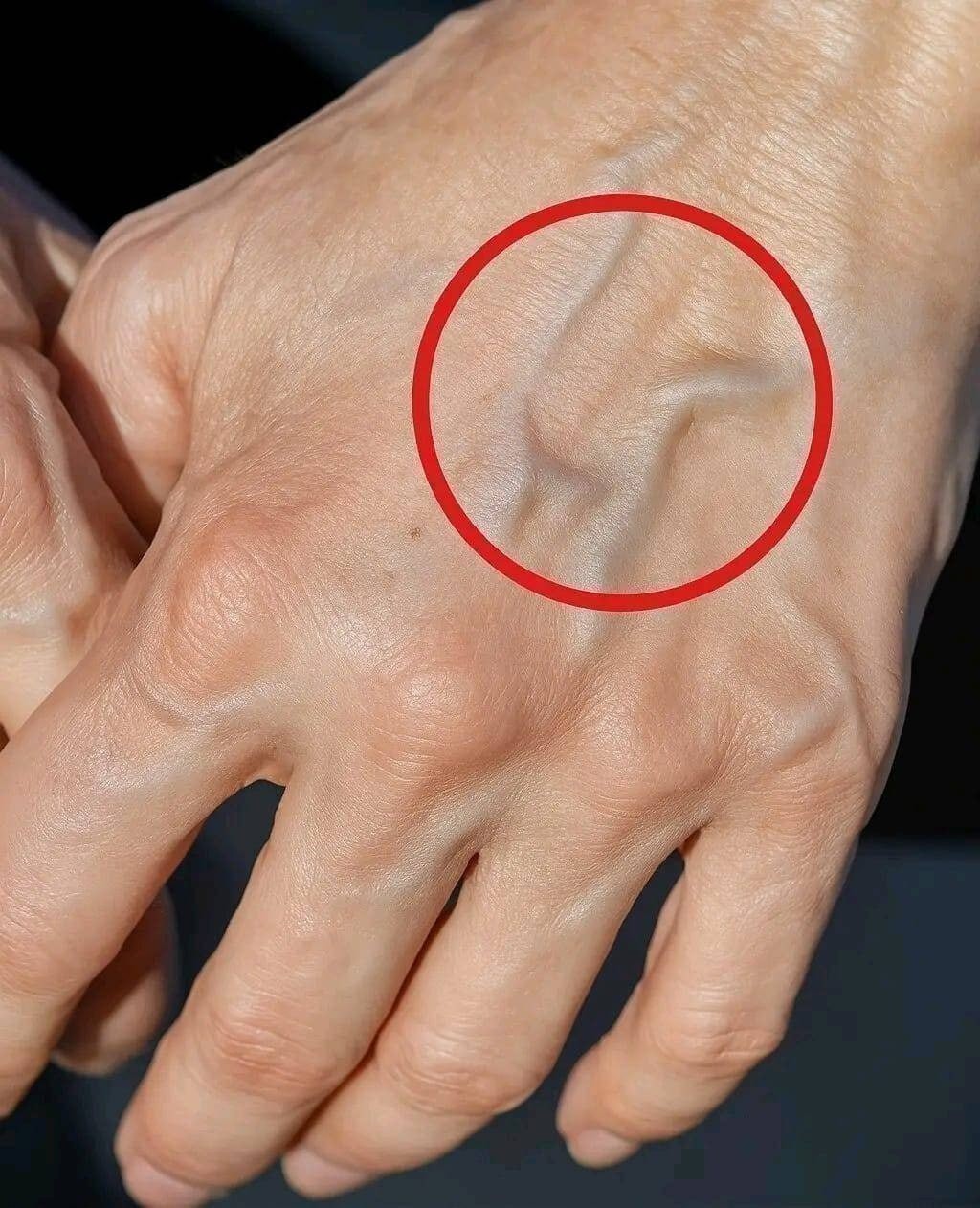
Have you ever looked at your hands, arms, or legs and noticed your veins standing out more than usual? For some people, visible veins are a constant feature, while for others they appear only under certain conditions—like after exercise or in hot weather. Social media often links visible veins to fitness or strength, but the truth is far more interesting and complex.
So, if you have visible veins, what does it actually mean? Is it a sign of good health, low body fat, or something else entirely? Let’s explore the science, psychology, and lifestyle factors behind this fascinating physical trait.
What Are Visible Veins, Really?
Veins are blood vessels responsible for carrying deoxygenated blood back to the heart. Everyone has them, but not everyone can see them clearly through the skin. When veins become more prominent or “visible,” it’s usually due to a combination of biological and environmental factors—not just one simple cause.
Understanding why your veins are visible requires looking at several aspects of your body, from skin thickness to circulation.
1. Low Body Fat Percentage
One of the most common reasons for visible veins is a low level of body fat. Fat sits between your skin and your muscles, and when that layer is thinner, veins are easier to see.
This is why athletes, especially bodybuilders and fitness enthusiasts, often have very prominent veins. It’s not magic—it’s simply anatomy. Less fat means less coverage over your vascular system.
However, this doesn’t automatically mean someone is healthier than others. Body fat levels vary naturally from person to person, and extremely low body fat isn’t always ideal for long-term health.
2. Increased Muscle Mass
Muscle growth can also push veins closer to the surface of the skin. When muscles expand, they can make veins more noticeable, especially in areas like the arms, shoulders, and legs.
This is why people who engage in strength training often develop what’s known as “vascularity.” It’s a visible sign of physical conditioning, but again, it’s just one piece of the puzzle—not a complete measure of fitness.
3. Genetics Play a Huge Role
Sometimes, visible veins are simply part of your genetic makeup. Some people are born with thinner skin or a vascular structure that naturally sits closer to the surface.
If your parents or relatives have prominent veins, chances are you might too. In this case, it’s not something you “achieved”—it’s something you inherited.
4. Skin Tone and Thickness
Your skin characteristics matter more than you might think. People with lighter or thinner skin often have more visible veins because there’s less pigment or tissue hiding them.
On the other hand, thicker skin or higher melanin levels can make veins less noticeable, even if they are just as prominent underneath.
5. Temperature and Environment
Have you ever noticed your veins popping out more when it’s hot? That’s because heat causes your blood vessels to dilate (expand), making them more visible.
Cold temperatures do the opposite—they constrict blood vessels, making veins less noticeable. This is a temporary effect and completely normal.
6. Physical Activity and Blood Flow
Exercise increases blood flow throughout your body. When your heart pumps faster, veins expand to handle the increased circulation, making them stand out more.
This is why your veins may look more prominent during or after a workout. It’s a sign your body is working efficiently to deliver oxygen and nutrients where they’re needed.
7. Hydration Levels
Hydration can subtly influence how your veins appear. When you’re well-hydrated, your blood volume is more balanced, which can affect vascular visibility.
On the other hand, dehydration may sometimes make veins appear more pronounced due to changes in fluid balance. However, this isn’t a reliable or healthy way to “enhance” vein visibility.
Is Having Visible Veins a Good or Bad Sign?