 Skip to content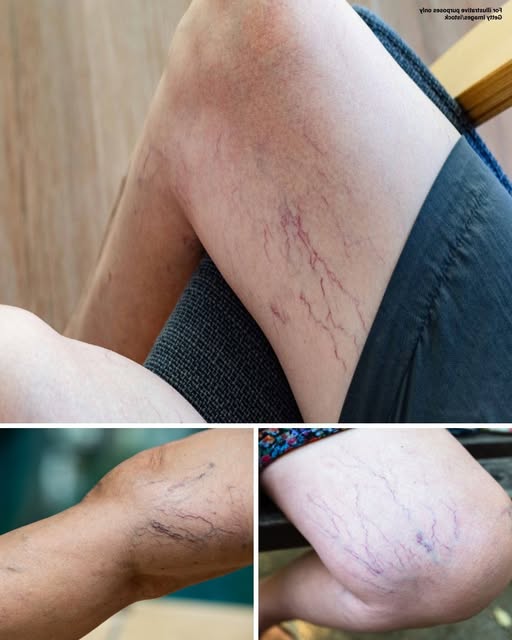
Noticing purple, blue, or enlarged veins on the legs can be concerning for many people. Online, you may see dramatic claims like “it means something serious is wrong” or even personality-based interpretations. But medically, the explanation is much simpler and more grounded in vascular health.
Let’s break it down clearly.
🧠 First: What are purple veins on the legs?
Visible purple or blue veins are usually:
- Varicose veins (enlarged, twisted veins)
- Or spider veins (smaller surface veins)
They become more visible when blood pools in the veins instead of flowing efficiently back to the heart.
🩸 Why do they appear?
Veins in the legs work against gravity. They rely on small valves to push blood upward.
Purple or bulging veins may appear when:
- Vein valves weaken
- Blood flow slows down
- Pressure builds in the veins
⚠️ Common real causes
🧬 1. Genetics
If family members have varicose veins, risk increases.
🚶♀️ 2. Standing or sitting for long periods
Jobs or lifestyles with little movement can contribute.
⚖️ 3. Excess body weight
Extra pressure on leg veins makes circulation harder.
👵 4. Age
Veins naturally lose elasticity over time.
🤰 5. Hormonal changes
Pregnancy or hormonal shifts can affect vein pressure.
🧠 What purple veins DO NOT mean