 Skip to content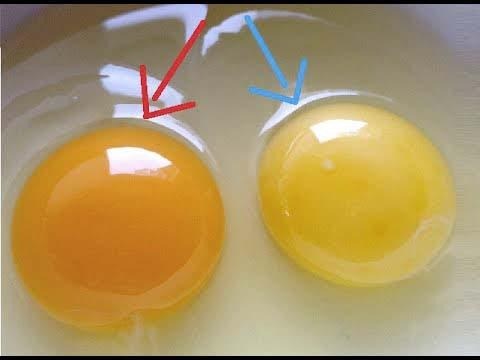
🥚 Why Knowing the Quality of Eggs Really Matters
Eggs are one of the most common foods in households around the world. They are used in breakfast meals, baking, cooking, and even high-protein diets. But not all eggs are the same.
The quality of an egg is strongly influenced by the health and living conditions of the hen that laid it. A healthy hen—such as a well-raised chicken—is more likely to produce eggs with better nutrition, stronger shells, and improved freshness.
Understanding how to recognize eggs from healthy hens can help you:
- Choose better nutrition for your family 🥗
- Avoid low-quality or poorly stored eggs ❌
- Make smarter grocery decisions 🛒
- Improve your cooking results 🍳
Let’s break down the clear and simple signs that help you identify high-quality eggs.
🐔 1. Strong and Clean Eggshells
One of the first signs of eggs from a healthy hen is the condition of the shell.
What to look for:
- Shell is firm and not easily cracked 💪
- Surface is clean (minimal dirt or stains)
- Even texture without unusual bumps or weak spots
Healthy hens that are well-fed and properly cared for tend to produce eggs with stronger shells because they receive enough nutrients like calcium.
On the other hand, weak or thin shells may indicate poor diet or stress in the hen.
🥚 2. Natural and Consistent Egg Shape
Eggs from healthy hens usually have a natural oval shape that is consistent.
Healthy egg characteristics:
- Smooth oval shape
- No extreme deformities
- Balanced size relative to other eggs in the same batch
Irregular shapes are not always dangerous, but they can sometimes indicate stress or inconsistent nutrition in the hen.
🟡 3. Yolk Color Says a Lot About Quality
When you crack open an egg, the yolk gives important clues about quality.
Healthy yolk signs:
- Deep yellow or orange color 🟠
- Firm structure (doesn’t break immediately)
- Sits high and rounded in the egg white
A rich yolk color often suggests the hen had a natural and nutrient-rich diet, including grains, greens, or insects.
However, pale yolks may come from hens fed mostly processed feed with fewer natural nutrients.
👃 4. Fresh Smell Test