 Skip to content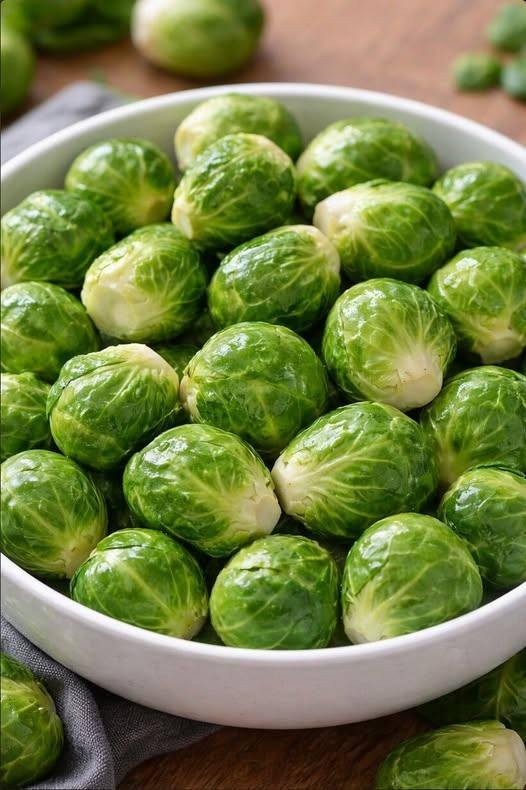
Brussels sprouts have one of the most dramatic reputation changes in food history. For decades, they were the vegetable kids avoided at all costs, the one adults pushed around their plates, and the “punishment side dish” of family dinners.
But today? Something surprising has happened.
People are actually eating Brussels sprouts on purpose—and even enjoying them.
So what changed? Did the vegetable improve… or did we finally learn how to cook it properly?
Let’s uncover the truth behind this misunderstood green veggie and why it’s suddenly everywhere on restaurant menus, health blogs, and modern kitchens.
🥦 The “Hate Vegetable” That Got a Glow-Up
Brussels sprouts belong to the same family as cabbage, kale, and broccoli. Naturally, they contain sulfur compounds that can produce a strong smell when overcooked.
For years, the problem wasn’t the vegetable itself—it was the cooking method:
- Boiled until mushy
- Overcooked in water
- Served with no seasoning
This turned a naturally nutritious vegetable into something bitter, soft, and unpleasant.
No wonder generations grew up thinking they hated it.
But modern cooking techniques changed everything.
🔥 The Secret That Changed Everything: Roasting
The real transformation of Brussels sprouts began when chefs discovered one simple trick: high-heat roasting.
When Brussels sprouts are roasted properly:
- The outer leaves become crispy
- Natural sugars caramelize
- Bitterness disappears
- Flavor becomes nutty and slightly sweet
Add a little olive oil, salt, and garlic, and suddenly the “most hated vegetable” turns into something addictive.
This is the version people now eat “on purpose.”
🧠 Why Adults Are Suddenly Choosing Brussels Sprouts
There’s another reason behind their comeback: health awareness.
Modern eaters are more focused on nutrient-dense foods, and Brussels sprouts deliver serious value.
They are rich in:
- Vitamin C (immune support)
- Vitamin K (bone health)
- Fiber (digestive health)
- Antioxidants (cell protection)
In a world full of processed food, people are actively seeking vegetables that offer maximum nutrition with minimal calories.
Brussels sprouts check all the boxes.
❤️ 1. Supports Heart Health