 Skip to content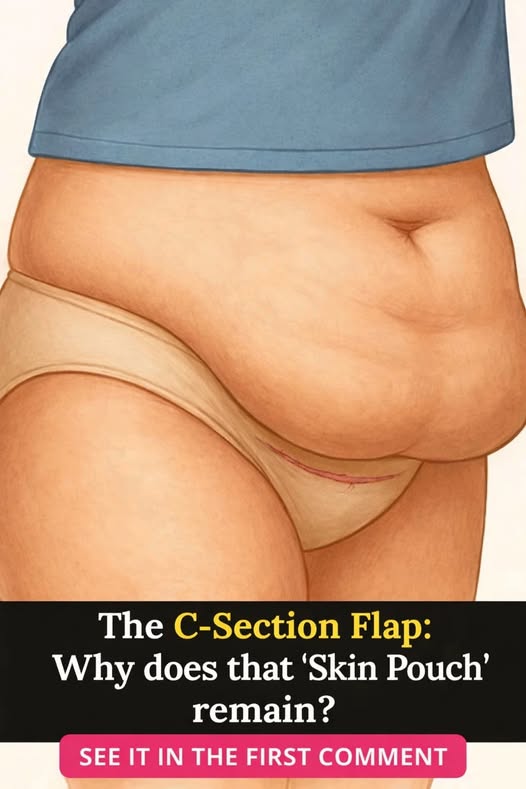
Many women notice a small pouch of skin above or around their C-section scar, sometimes called the “C-section flap.” Even after healing, it may persist and cause self-consciousness or discomfort. Understanding why it forms and what can be done about it can help women feel more informed and confident in their postpartum journey.
In this article, we’ll explore why the C-section flap occurs, factors that contribute to it, and safe ways to reduce or manage it.
1️⃣ What Is the C-Section Flap?
The C-section flap is the fold of skin that can hang over the scar after a cesarean section. It is completely normal and is a result of:
- Surgical incision location
- Stretching of the abdominal skin during pregnancy
- Scar tissue and healing process
Tip: Remember that this is a common postpartum feature and doesn’t indicate poor healing.
2️⃣ Why Does the Skin Pouch Remain?
Several factors contribute to the persistence of the flap:
- Excess skin: Pregnancy stretches the abdominal skin significantly.
- Scar formation: Healing creates scar tissue that can pull or alter surrounding skin.
- Fat accumulation: Some women have more subcutaneous fat in the lower abdomen, which can emphasize the flap.
- Muscle separation: Diastasis recti (separation of abdominal muscles) can make the flap more noticeable.
Tip: Each body heals differently, and genetics play a role in how much skin or fat remains.
3️⃣ When to Be Concerned
Most C-section flaps are cosmetic and harmless, but consult your doctor if you notice:
- Redness, swelling, or discharge around the scar
- Pain, tenderness, or unusual bumps
- Rapid changes in size or appearance