 Skip to content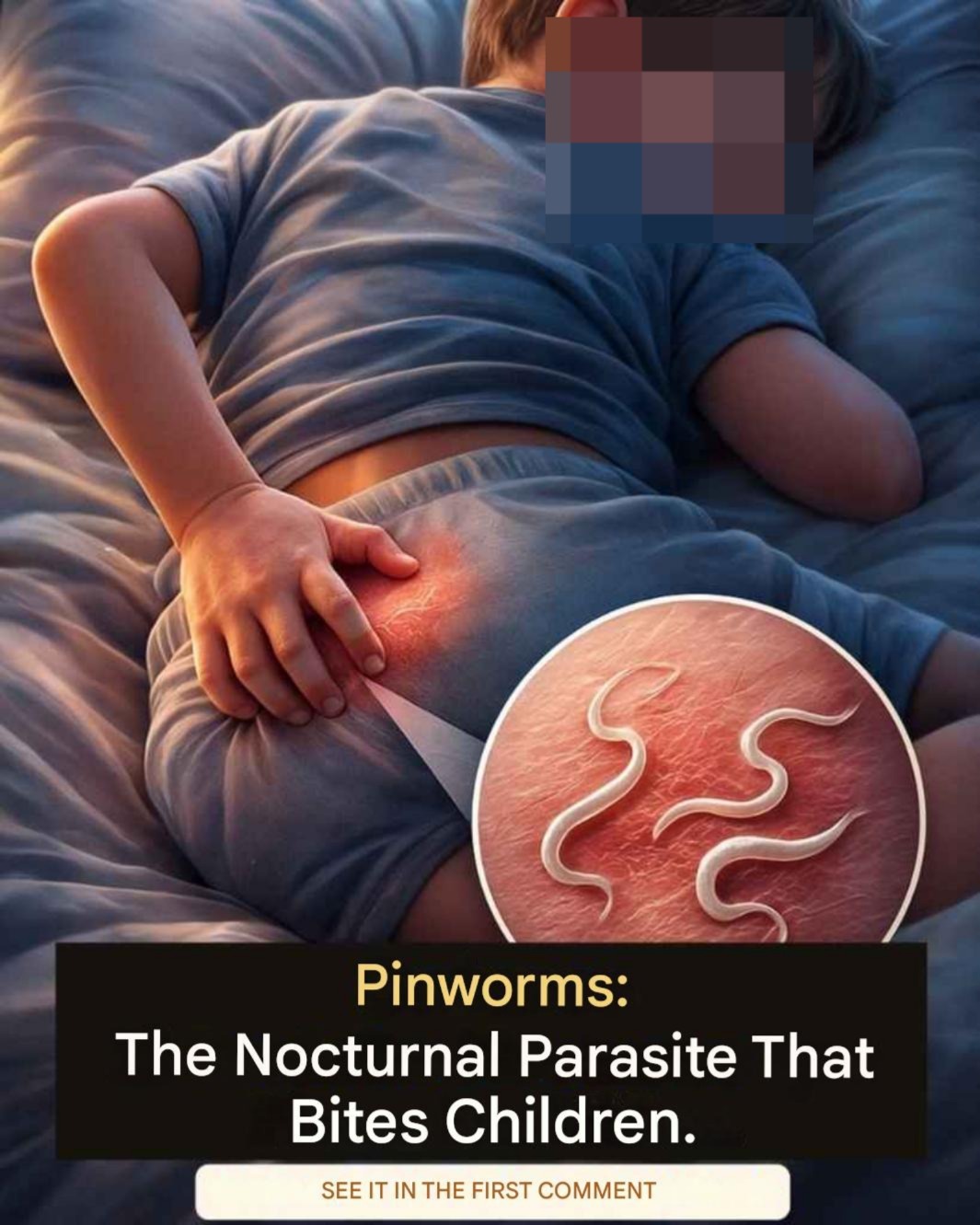
If your child has been scratching at night, it might not just be a passing irritation. One common culprit is pinworms, tiny parasites that can disrupt sleep and cause discomfort. Understanding what pinworms are, how they spread, and why they cause nighttime itching is crucial for parents who want to protect their children’s health.
1️⃣ What Are Pinworms?
Pinworms, also called Enterobius vermicularis, are small, white, thread-like worms that live in the intestines of humans—especially children. They are one of the most common intestinal parasites worldwide, particularly in school-aged kids.
Despite their size, pinworms can cause intense itching and restlessness, and their presence requires careful attention to hygiene and treatment.
2️⃣ Why Pinworms Cause Nighttime Itching
The itching associated with pinworms is strongest at night. Here’s why:
- Female pinworms come out of the intestines at night to lay eggs around the anus.
- The movement and presence of eggs irritate the skin, triggering intense itching.
- Scratching the area can spread eggs to fingers and under nails, which can cause reinfection or spread the parasite to family members.
Tip: Keep your child’s fingernails short and clean to reduce the risk of spreading eggs.
3️⃣ Common Symptoms of Pinworms
While nighttime itching is the hallmark symptom, other signs include:
- Irritability and difficulty sleeping
- Restlessness during the night
- Mild abdominal pain or discomfort
- Visible small white worms in the stool or around the anus
- Loss of appetite in some children
Note: Some children may have no symptoms, so vigilance is key, especially if a sibling or classmate is infected.
4️⃣ How Pinworms Spread
Pinworms are highly contagious and often spread through direct or indirect contact:
- Touching contaminated surfaces like toys, bedding, or bathroom fixtures
- Hand-to-mouth contact after scratching the anal area
- Close contact in schools or daycare settings
Tip: Wash hands thoroughly with soap and warm water after using the bathroom or before eating. Regularly clean bedding, clothes, and bathroom surfaces.
5️⃣ Treatment and Prevention