 Skip to content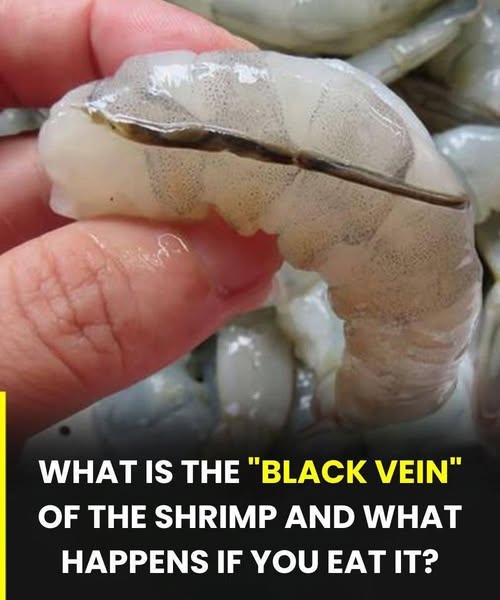
If you’ve ever prepared shrimp at home or ordered a fancy seafood dish, you’ve probably heard someone mention “removing the vein.” But here’s the shocking truth: that “vein” isn’t a vein at all!
Yes, what most people call the shrimp’s vein is actually something very different—and understanding it can change the way you cook, eat, and think about shrimp forever. Let’s uncover the real story behind this common kitchen mystery.
🧬 The Truth: It’s Not a Vein
The dark line that runs along the back of a shrimp is commonly referred to as a “vein,” but scientifically speaking, it’s actually the shrimp’s digestive tract.
That means it’s essentially the shrimp’s intestine, which can contain:
- Sand and grit
- Undigested food
- Waste material
While that might sound unpleasant, don’t panic—this is completely normal in nature. However, it does explain why many chefs and home cooks prefer to remove it before cooking.
🤔 Is It Dangerous to Eat?
Here’s the good news:
👉 Eating shrimp with the “vein” intact is generally not harmful when the shrimp is properly cooked.
Cooking kills most bacteria, making it safe in most cases. However, there are a few reasons why people still remove it:
- Texture: The tract can feel gritty or sandy
- Taste: It may slightly affect flavor, especially in larger shrimp
- Appearance: Clean shrimp simply looks more appetizing
So while it’s not dangerous, removing it can definitely improve your overall eating experience.
🍽️ Why Chefs Always Devein Shrimp