 Skip to content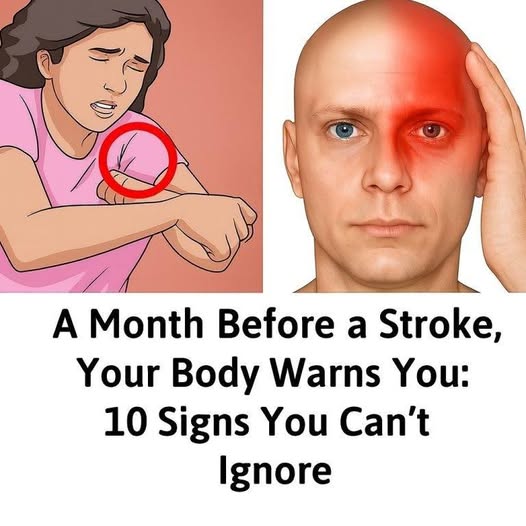
A stroke is a medical emergency that happens when blood flow to the brain is interrupted. It can lead to serious complications if not treated quickly. While strokes often seem sudden, some people may experience warning signs days or weeks before a major event.
These early signals are not always obvious, but recognizing them can be life-saving.
👉 Important: These signs do NOT guarantee a stroke will happen, but they should always be taken seriously.
🧠 First: What is a stroke?
A stroke occurs when:
- A blood clot blocks brain blood flow (ischemic stroke), or
- A blood vessel in the brain bursts (hemorrhagic stroke)
Both situations reduce oxygen supply to brain tissue.
⚠️ 10 possible warning signs before a stroke
🧠 1. Sudden unexplained headaches
A new or unusual headache that feels different from normal.
🧍♂️ 2. Weakness or numbness on one side of the body
Often affects the face, arm, or leg.
👁️ 3. Vision problems
- Blurred vision
- Double vision
- Sudden vision loss in one eye
🗣️ 4. Difficulty speaking or understanding
- Slurred speech
- Trouble finding words
- Confusion in communication
🧠 5. Memory confusion or mental fog
Sudden difficulty concentrating or thinking clearly.
🚶♀️ 6. Loss of balance or dizziness
Feeling unstable while walking or standing.
🫀 7. Chest discomfort or irregular heartbeat
Some stroke risks are linked with heart rhythm problems.
😵 8. Sudden fatigue or weakness
Extreme tiredness without clear reason.
🧍♀️ 9. Facial drooping
One side of the face may appear uneven or weak.
🧠 10. Mini-stroke symptoms (TIA)
A transient ischemic attack (TIA) may cause temporary stroke-like symptoms that disappear within minutes or hours.
👉 TIAs are serious warning signs that a full stroke may follow.
🚨 FAST warning signs of stroke (emergency signs)
Doctors often use the FAST rule:
- Face drooping
- Arm weakness
- Speech difficulty
- Time to call emergency help
🧠 Why early signs matter
Early symptoms may appear when:
- Blood flow is temporarily reduced
- Blood pressure is unstable
- Small clots form and dissolve
Recognizing them early can prevent a major stroke.