 Skip to content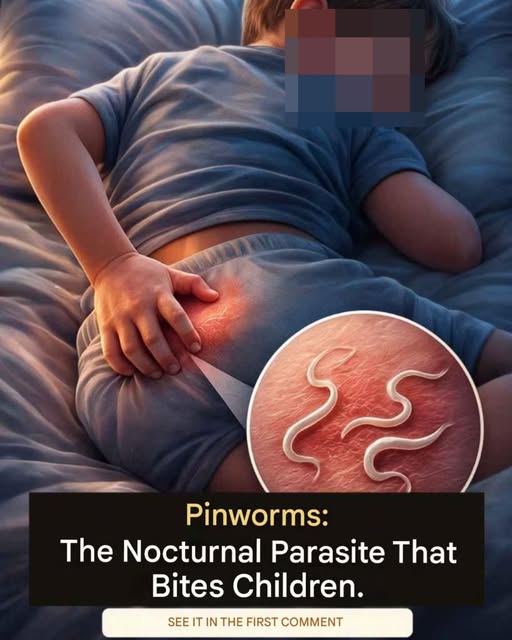
If your child wakes up scratching at night, it can be alarming—and one common culprit is pinworms. While they are usually harmless, pinworms are a very common type of intestinal parasite in children, causing discomfort, disrupted sleep, and sometimes stress for parents who don’t know what’s going on.
Understanding what pinworms are, how they spread, and how to treat them can help you protect your child and restore peaceful nights.
What Are Pinworms?
Pinworms, scientifically known as Enterobius vermicularis, are tiny, white worms about the size of a staple. They live in the large intestine and rectum, and are most active at night, which is why children often experience itching while trying to sleep.
While adults can also get pinworms, they are most common in school-aged children, especially in settings like daycare, schools, or households with multiple children.
Why Pinworms Cause Nighttime Itching 🌙
The female pinworm travels to the area around the anus at night to lay eggs, which can trigger intense itching. The cycle works like this:
- Eggs are laid around the anal area while the child sleeps.
- Itching causes scratching, which can transfer eggs to fingers.
- Eggs then spread to objects like bed linens, pajamas, toys, or bathroom surfaces.
- If touched, eggs can re-enter the body through the mouth or infect others in the household.
This cycle explains why nighttime itching is often the first noticeable sign of pinworms.
Other Common Symptoms
In addition to nighttime itching, children may show:
- Restlessness or disrupted sleep due to itching
- Irritability or mood changes from poor sleep
- Mild stomach discomfort or nausea
- Visible worms in stool or around the anus (in some cases)
Most children with pinworms do not experience serious health issues, but the discomfort can affect their mood, sleep, and daily routine.
How Pinworms Spread
Pinworms are highly contagious, and they spread through the fecal-oral route. Common ways children get infected include:
- Touching contaminated surfaces, like toys, doorknobs, or bathroom fixtures
- Poor hand hygiene after using the toilet or before eating
- Close contact with an infected sibling or playmate
Because eggs can survive on surfaces for up to two weeks, even a brief exposure can lead to reinfection.
Diagnosis
If you suspect pinworms, a pediatrician may recommend a tape test:
- A small piece of clear tape is pressed against the anal area in the morning before bathing.
- Any eggs stuck to the tape can be seen under a microscope.
This simple test helps confirm the presence of pinworms and guides treatment.
Treatment Options 💊
Treating pinworms is usually straightforward:
- Over-the-counter or prescription medications such as mebendazole or albendazole can kill the worms.
- Treat the entire household if one child is infected, because pinworms spread easily.
Along with medication, hygiene measures are crucial:
- Wash hands thoroughly after using the toilet and before meals.
- Keep fingernails short and clean to prevent egg transfer.
- Wash bed linens, pajamas, and towels in hot water daily during treatment.
- Clean bathroom surfaces frequently.
Preventing Reinfection
Pinworm eggs are persistent, so prevention is key:
- Encourage frequent handwashing with soap and warm water.
- Change underwear and pajamas daily during treatment.
- Shower every morning to remove eggs from the anal area.
- Avoid nail-biting and thumb-sucking habits.
Consistent hygiene reduces the risk of reinfection and keeps the whole household safe.
When to See a Doctor
Although pinworms are generally harmless, contact your pediatrician if your child experiences:
- Persistent or severe itching that affects sleep
- Rash, irritation, or infection caused by scratching
- Recurrent infections despite treatment
A doctor may recommend additional medication, tests, or hygiene strategies to break the cycle.
Final Thoughts
Pinworms may sound scary, but they are common, treatable, and usually not dangerous. Recognizing the signs—especially nighttime itching—allows you to act quickly. With proper treatment, hygiene, and preventive measures, your child can enjoy peaceful, itch-free nights again. 🐛🌙
Being proactive and informed makes all the difference. Educate your child about handwashing, maintain clean linens, and treat infections promptly to stop the cycle and keep your home healthy.