 Skip to content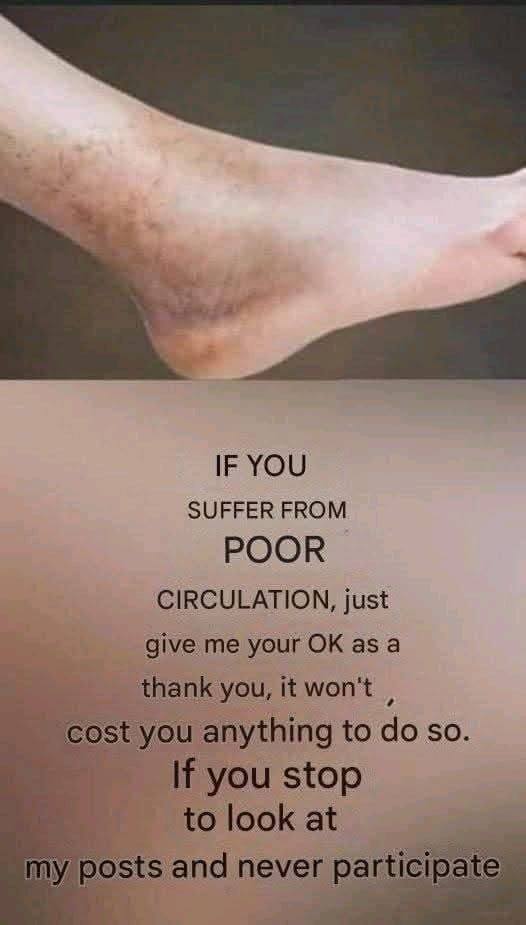
Poor circulation in the legs is a common issue, especially among people who sit for long hours, stand all day, or have a sedentary lifestyle. It can make the legs feel heavy, cold, tired, or uncomfortable.
While circulation problems can sometimes be linked to medical conditions that require professional care, many cases are related to lifestyle habits and can be improved with simple daily changes.
Let’s explore what poor circulation means, why it happens, and what practical steps may help improve how your legs feel.
🧠 What is poor circulation?
Poor circulation happens when blood flow to certain parts of the body—often the legs—is reduced or inefficient.
This can lead to:
- Heaviness in the legs
- Tingling or numbness
- Cold feet or lower legs
- Swelling after long sitting or standing
- Fatigue or discomfort
Blood flow is essential because it delivers oxygen and nutrients to tissues.
⚠️ Common causes of poor leg circulation
🪑 1. Sitting or standing too long
Long periods in one position can slow blood flow.
Examples:
- Office work
- Long travel
- Standing jobs
🧂 2. High salt intake
Too much salt can lead to fluid retention, making legs feel swollen or heavy.
🏃 3. Lack of physical activity
Muscles help push blood back toward the heart. Without movement:
- Circulation slows
- Blood can pool in the lower legs
🧠 4. Aging
As we age:
- Blood vessels become less flexible
- Circulation efficiency may decrease
⚕️ 5. Medical conditions
In some cases, poor circulation may be linked to:
- Diabetes
- High blood pressure
- Varicose veins
- Heart-related issues
🛡️ Natural ways to support better circulation
🚶♂️ 1. Regular movement